Kai Fusayoshi
1972-2023
After a fire destroyed his life’s work, Japanese photographer Kai Fusayoshi was ready to give up. But a body of work remains, reflecting on happier times and his incredible career.
“In January 2015, a tragic fire burnt through the Honyarado, a cafe I owned and managed for 43 years, along with my life’s work – my photographic archive. The fire destroyed two million negatives, thousands of prints, and a huge collection of photobooks, along with the treasured cafe, which I established in 1972 with a group of writers, musicians, and activists from the anti-war movement.
In 1968, I moved to Kyoto to study Political Science at Doshisha University, but the fees were incredibly expensive, and I was disappointed with the mass-produced education style so I dropped out before finishing my first year. After that, I took up various part-time jobs, squatting in disused student dorms, and attending many student protests, which were erupting across the country at the time before joining Beheiren, an anti-war movement against Japan’s involvement in the Vietnam War. I would go on to spend half a year working as a carpenter in Iwakuni, a city 400km south of Kyoto, where the US stationed their marines helping to build temporary housing for military deserters and working in a cafe called ‘Hobbit’, which became a famous hub for the anti-war movement.
I was a terrible carpenter, but I felt inspired by the counter-cultural ethos of the cafe. Back in Kyoto, I got together with a group of friends from the anti-war movement — poets, musicians, teachers, and artists from all over Japan — and we decided to set up our own in Kyoto. Honyarado opened in 1971, in a two-story wooden house near Doshisha University. Serving cheap meals and strong coffee, it quickly became a hangout for local students, artists, and activists. We hosted poetry readings and live music events, by incredible Japanese artists like jazz singer Maki Asakawa, and popular poet Shuntaro Tanigawa. We also welcomed international guests who stopped by during their visits to Japan, including the Beat Generation’s Allen Ginsberg, and American writer Gary Snyder.
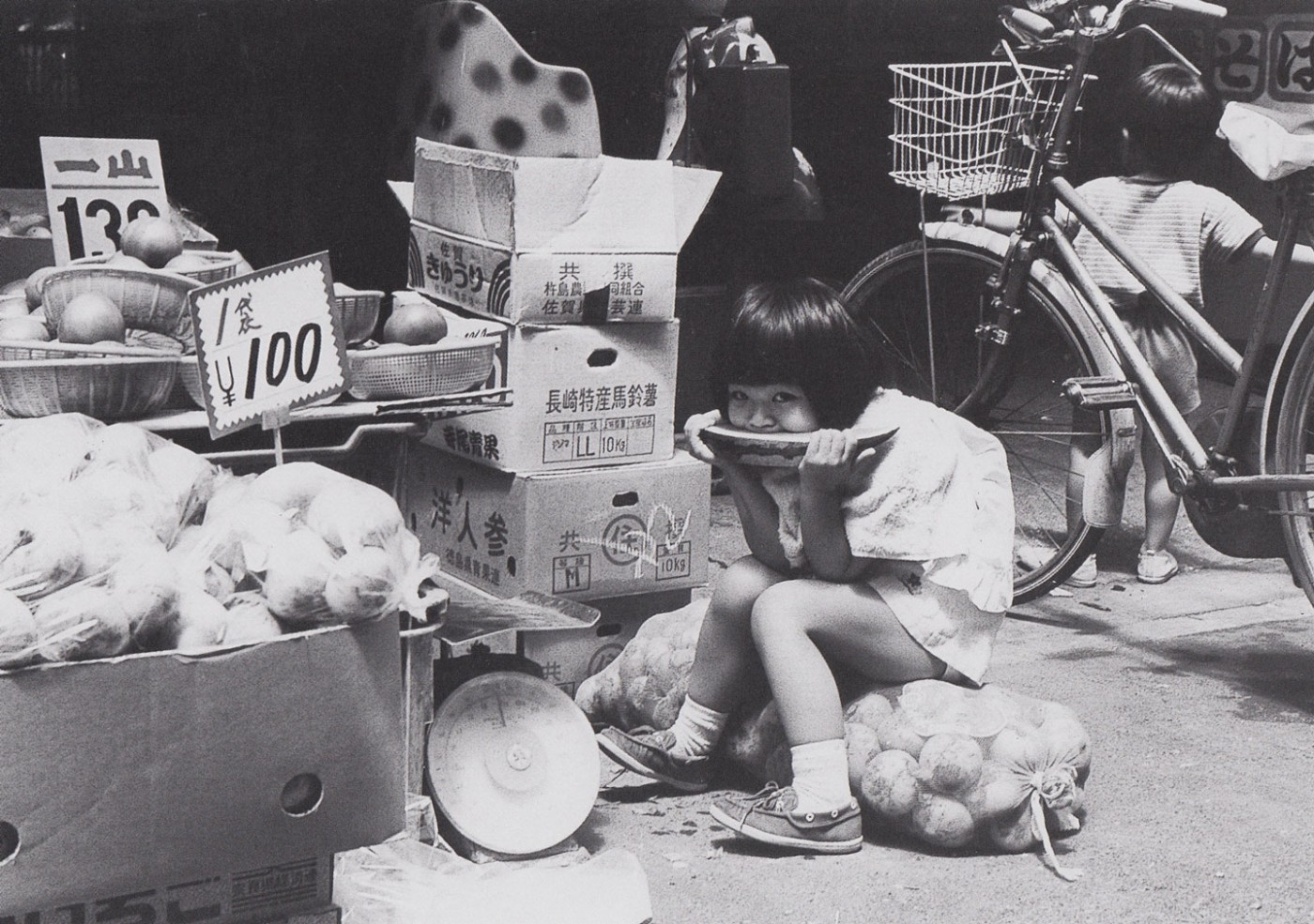
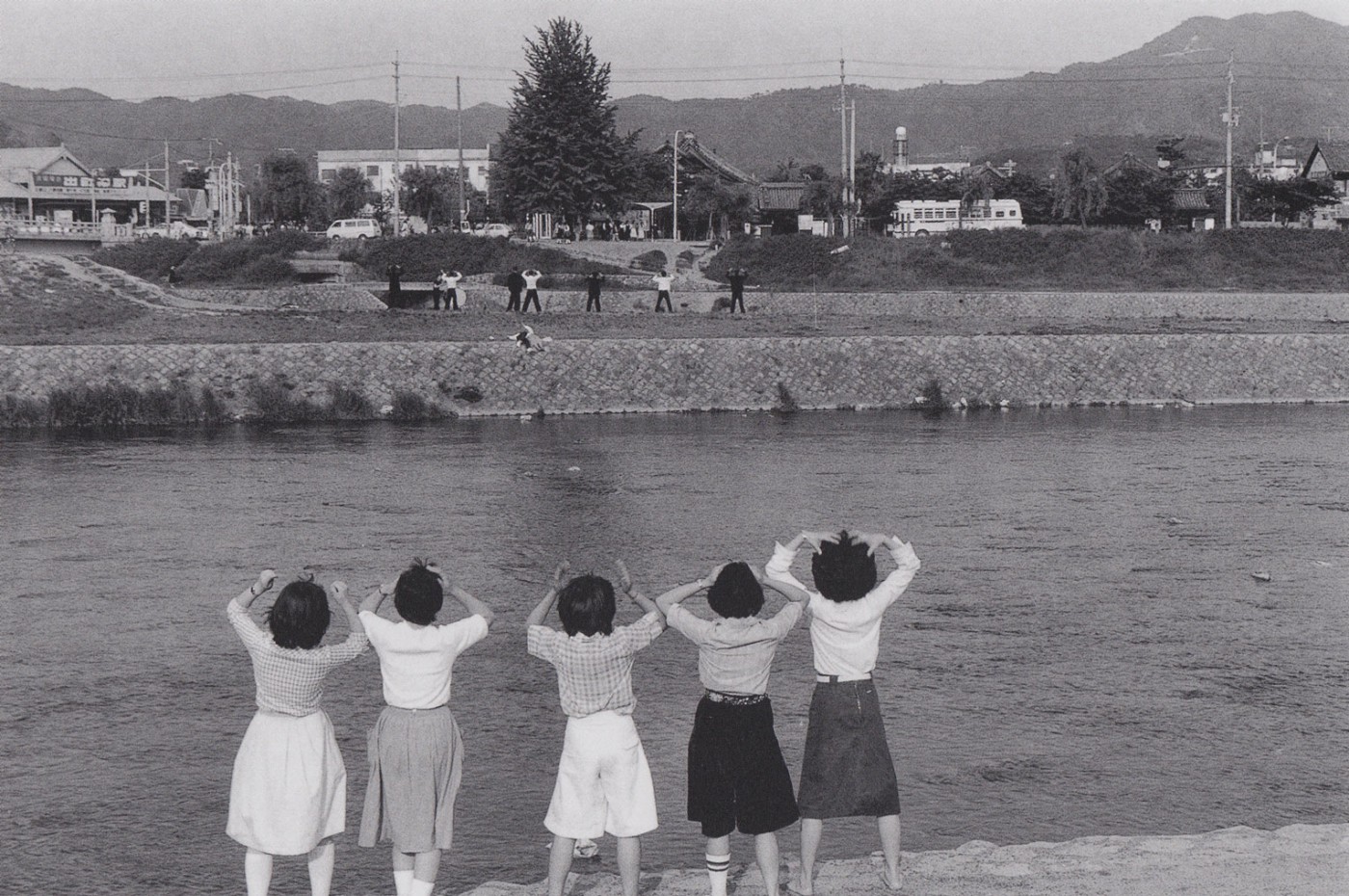
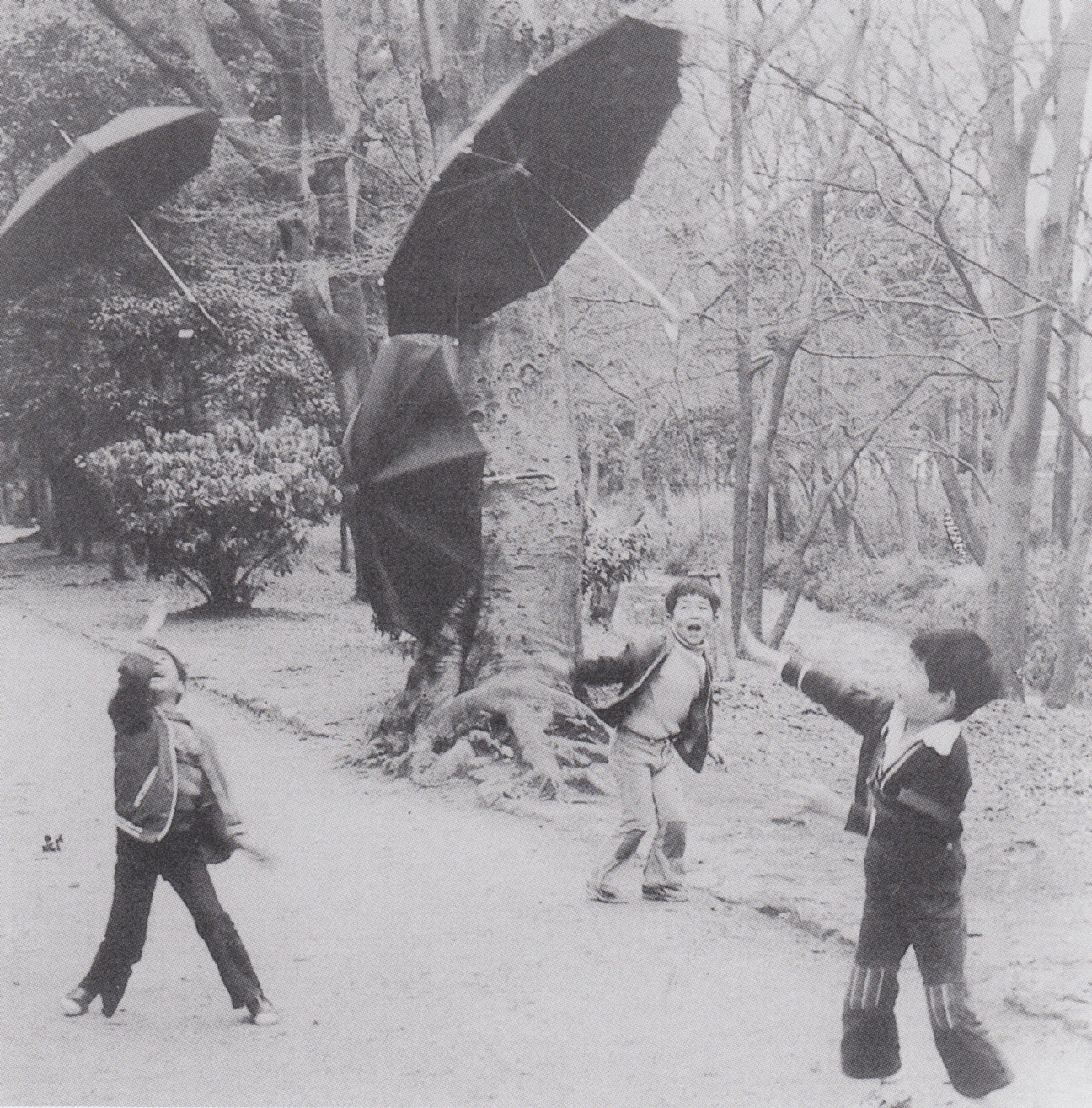
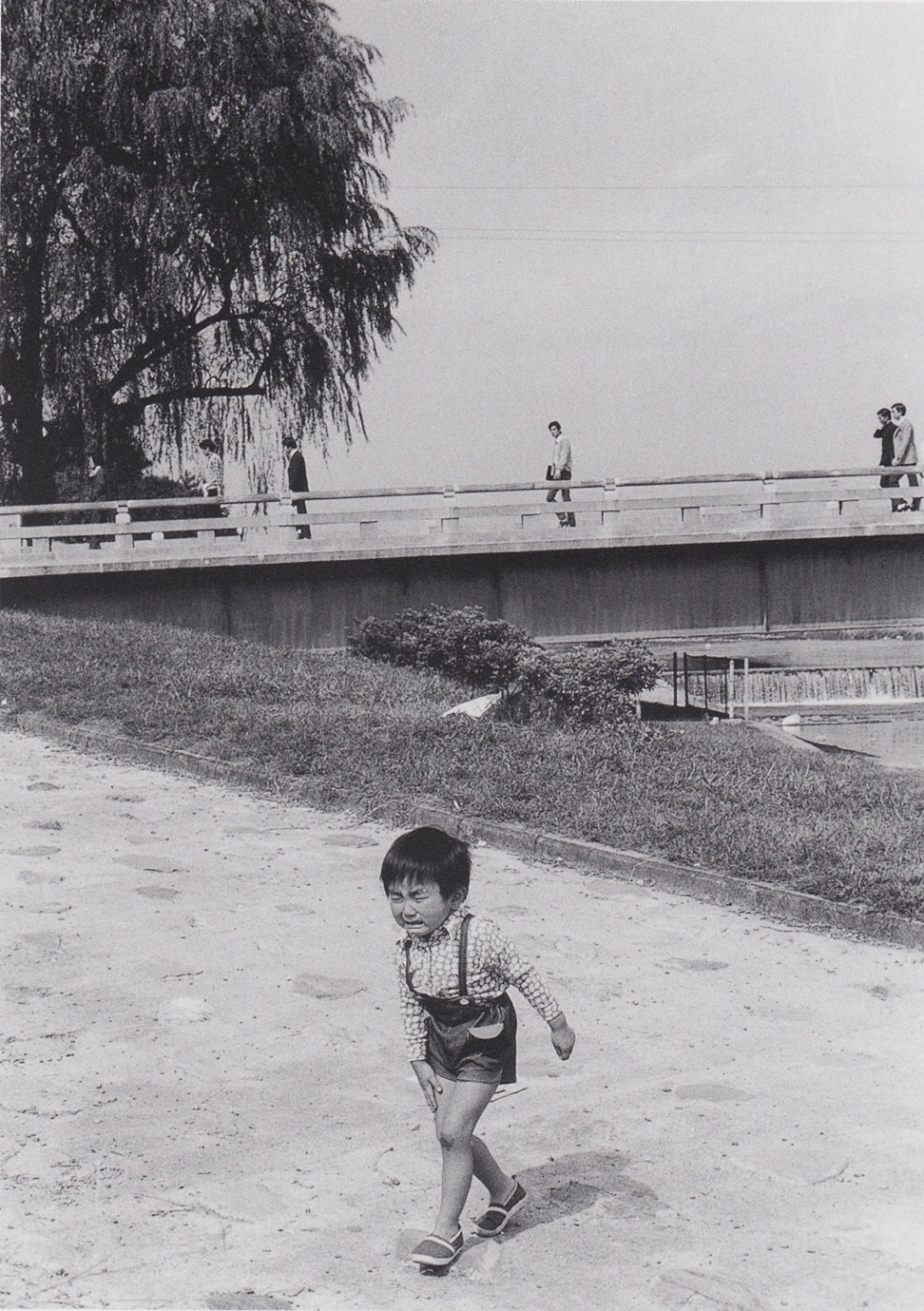
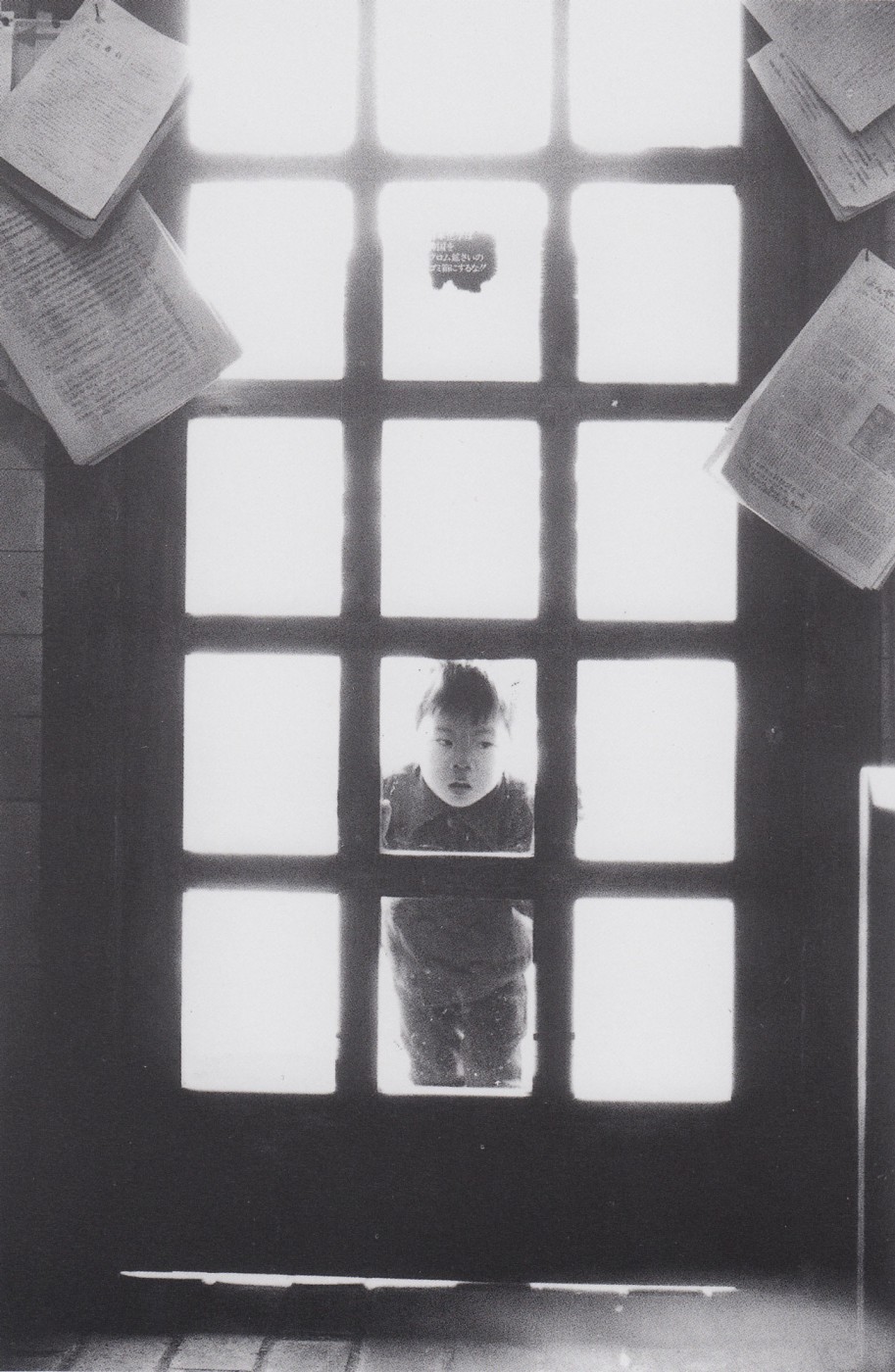
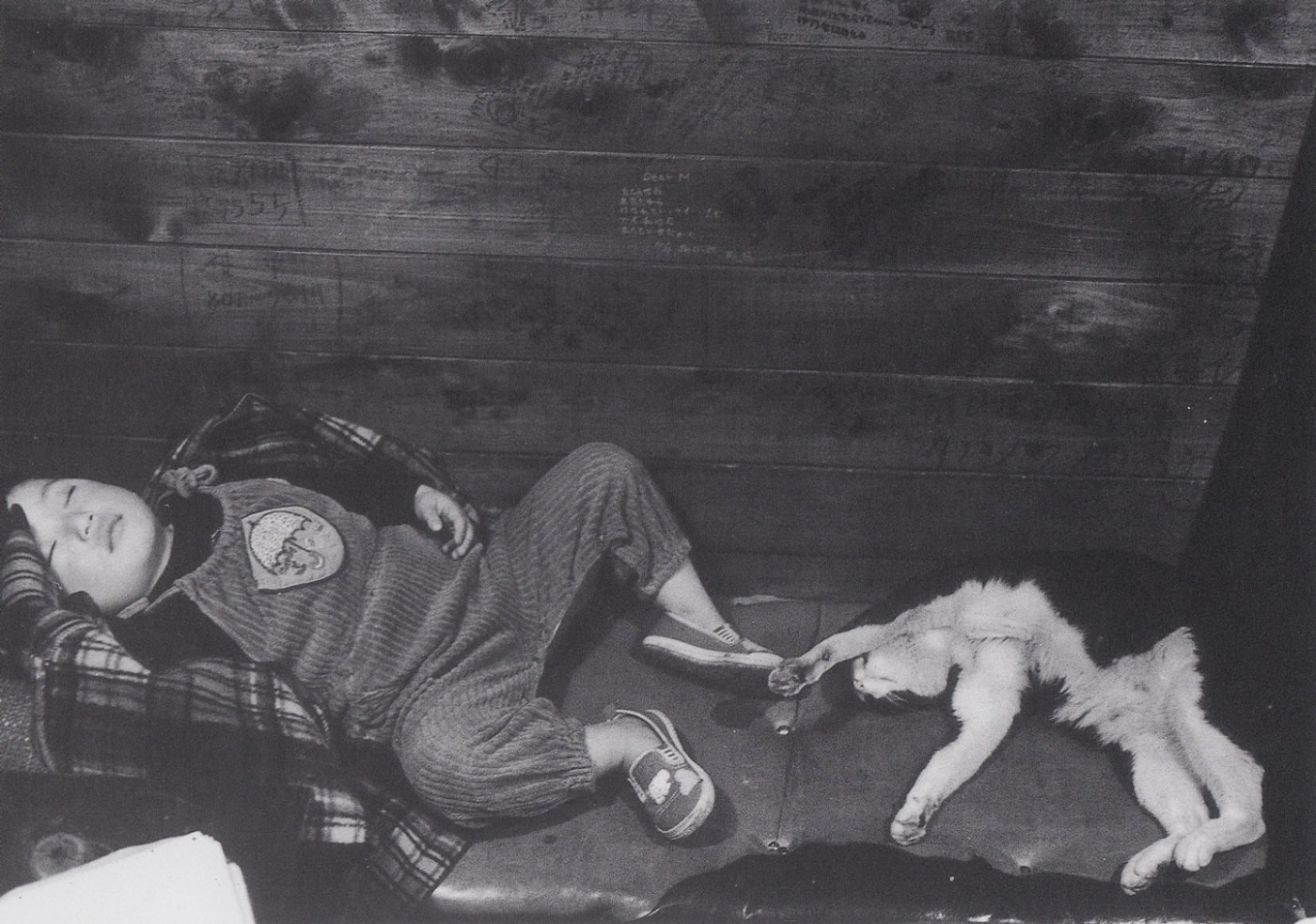
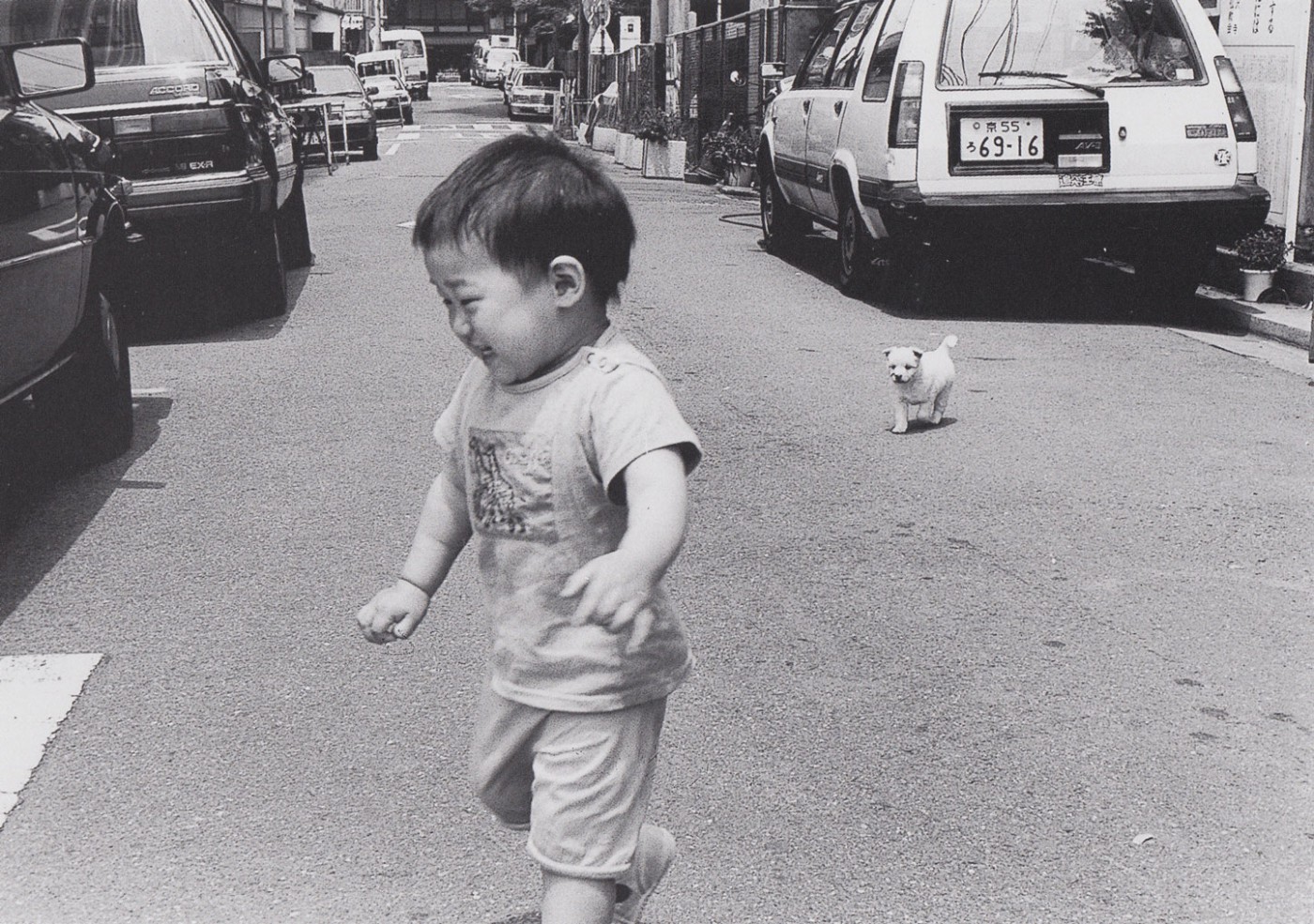
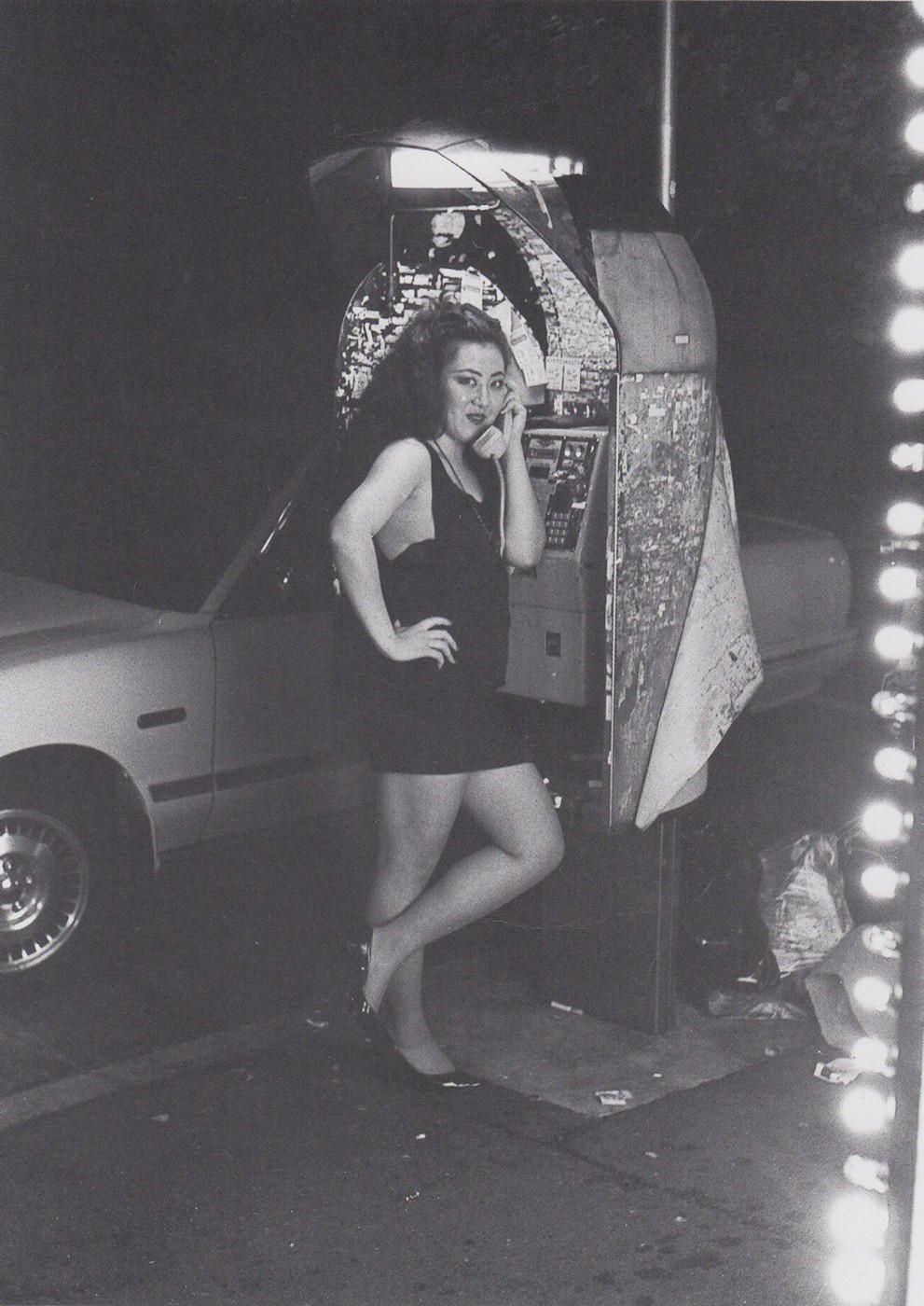
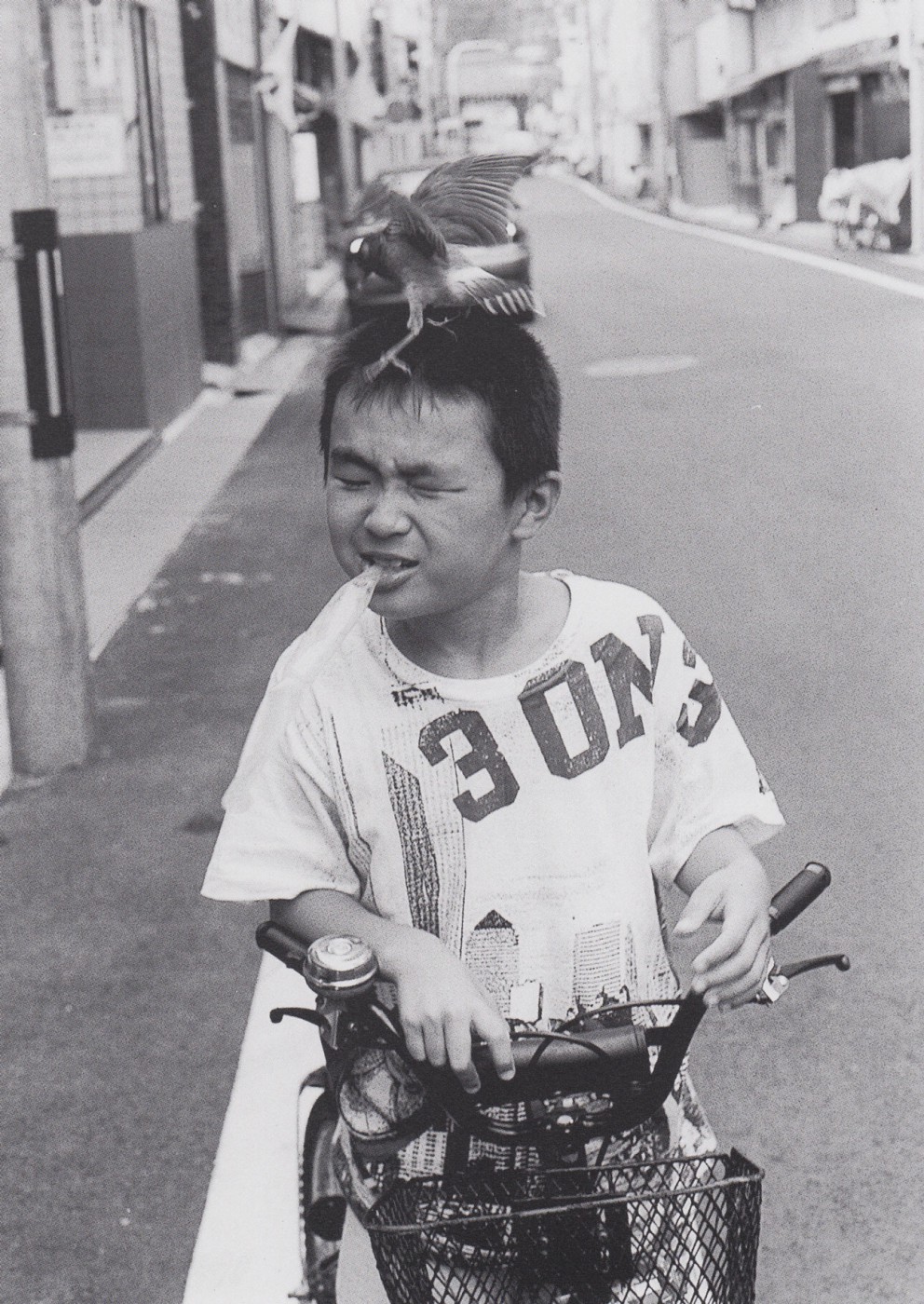
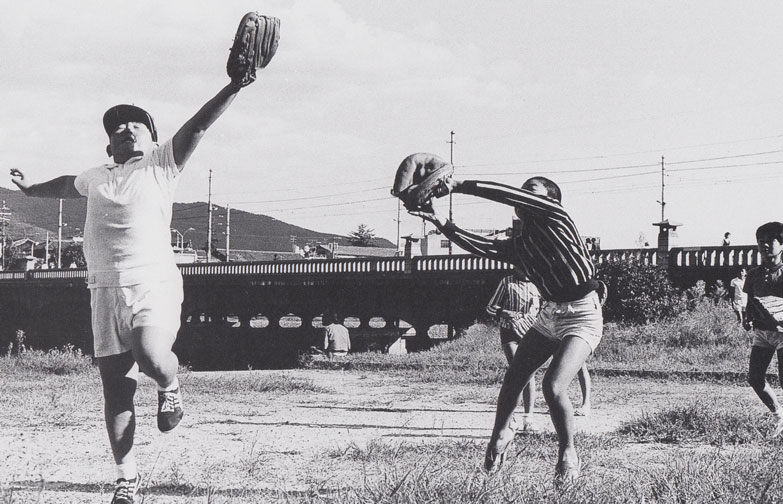
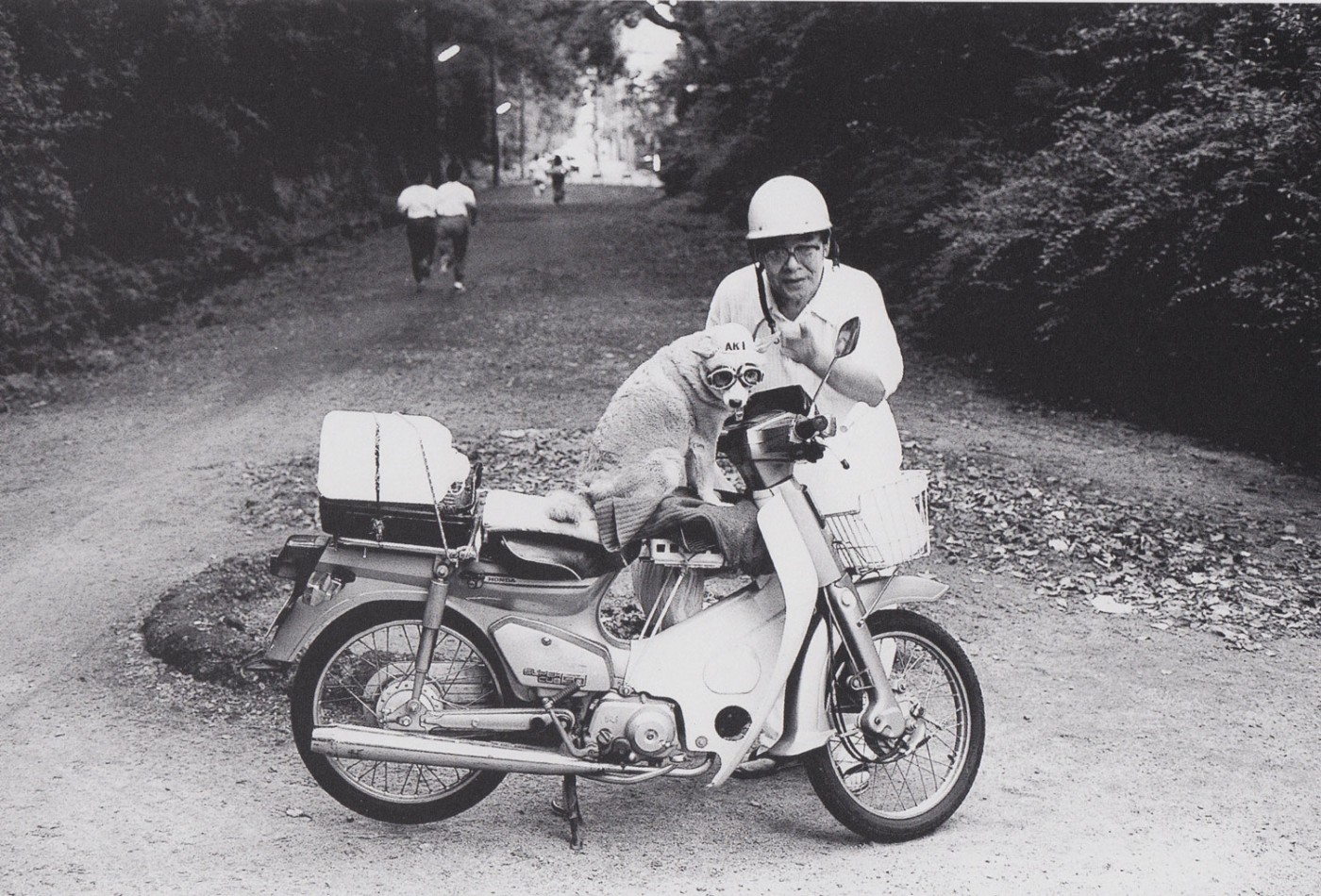
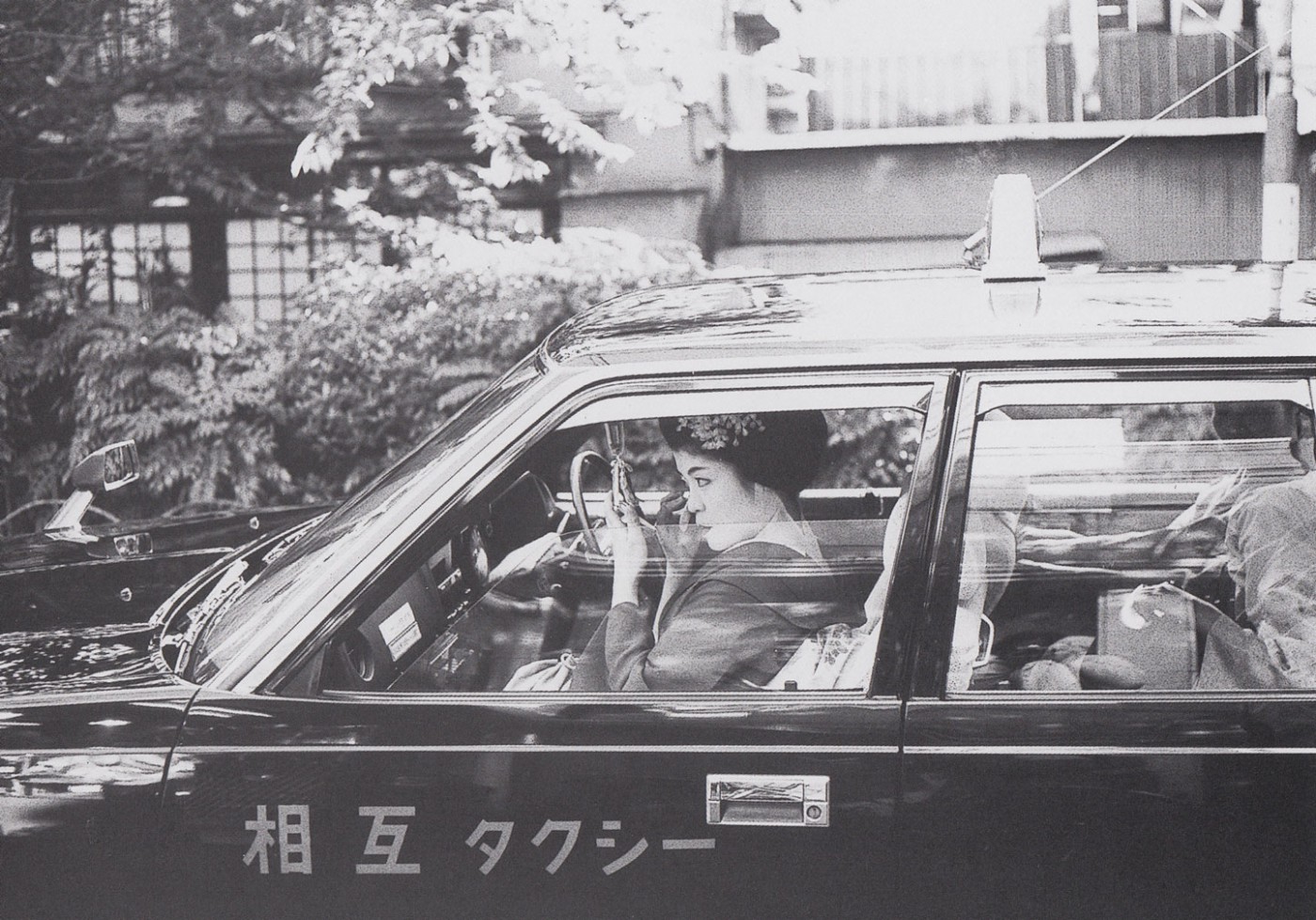
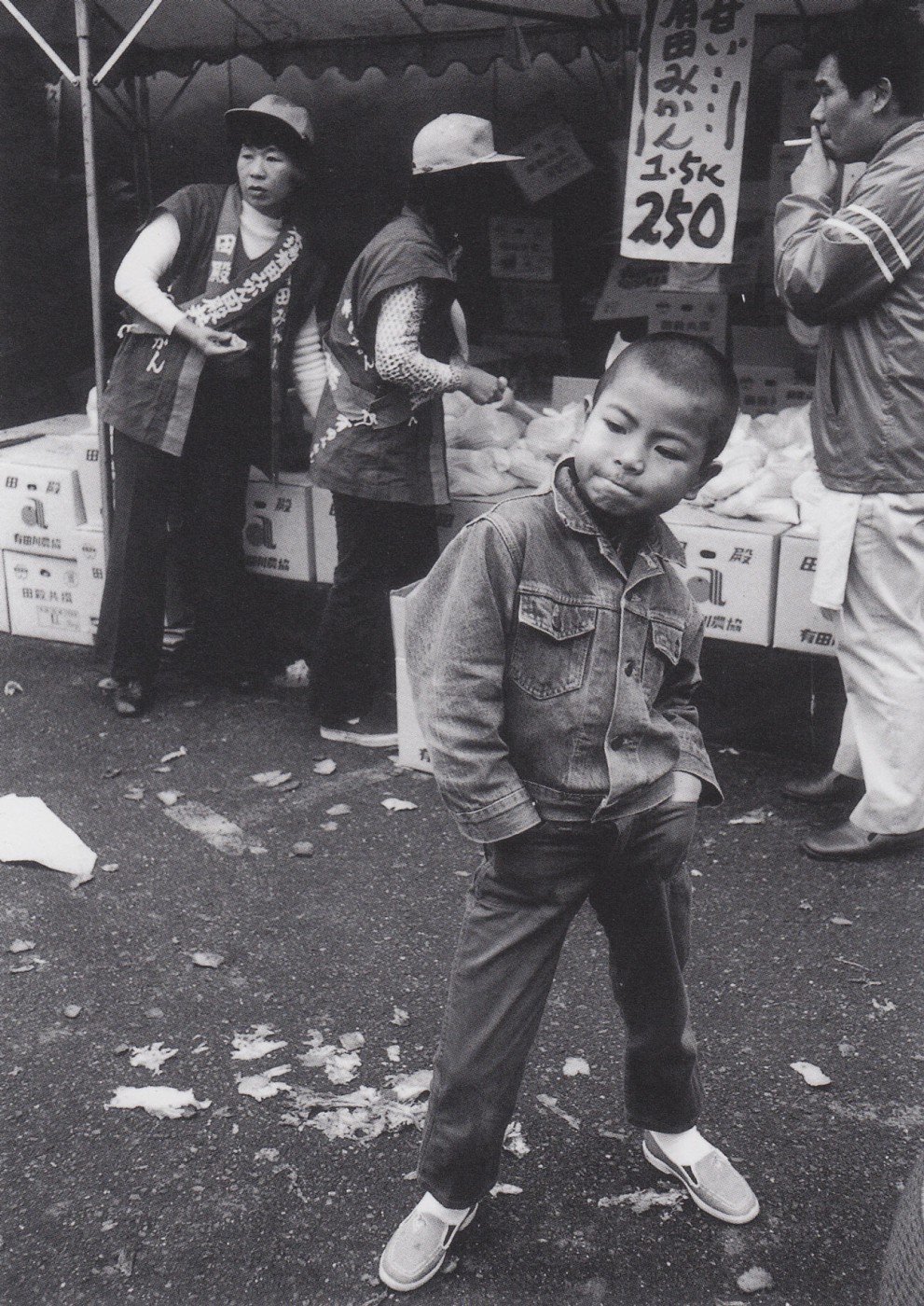
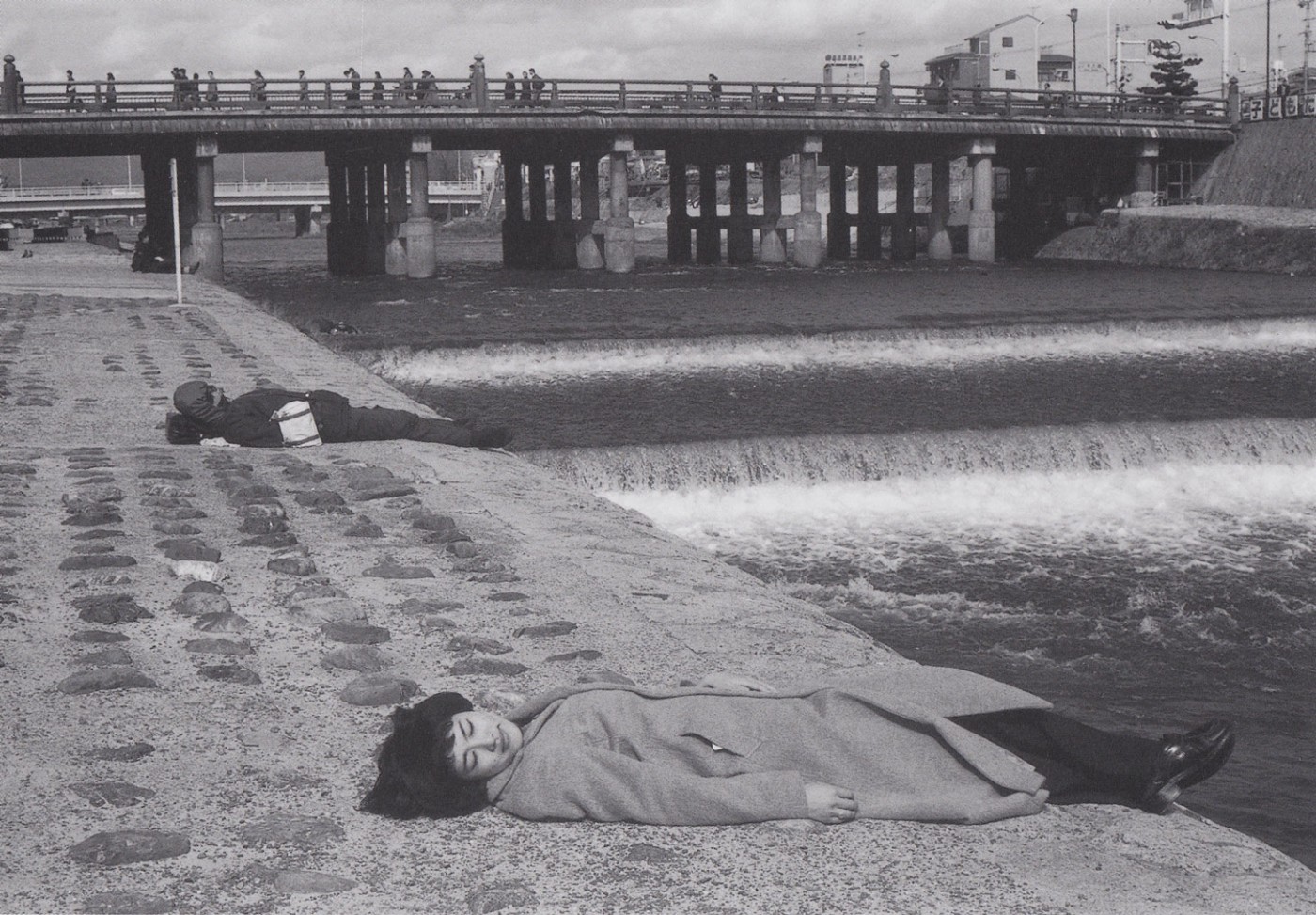
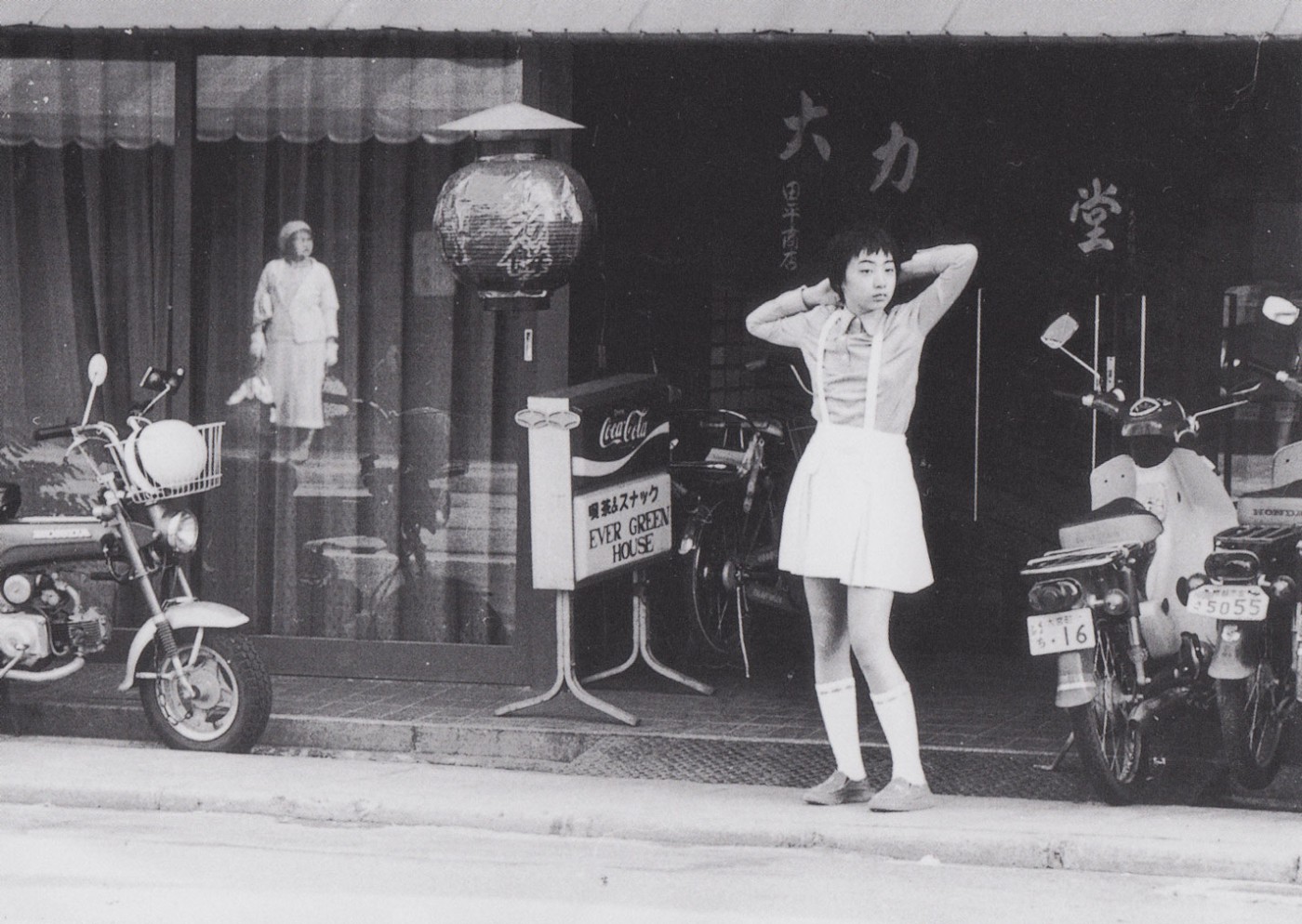
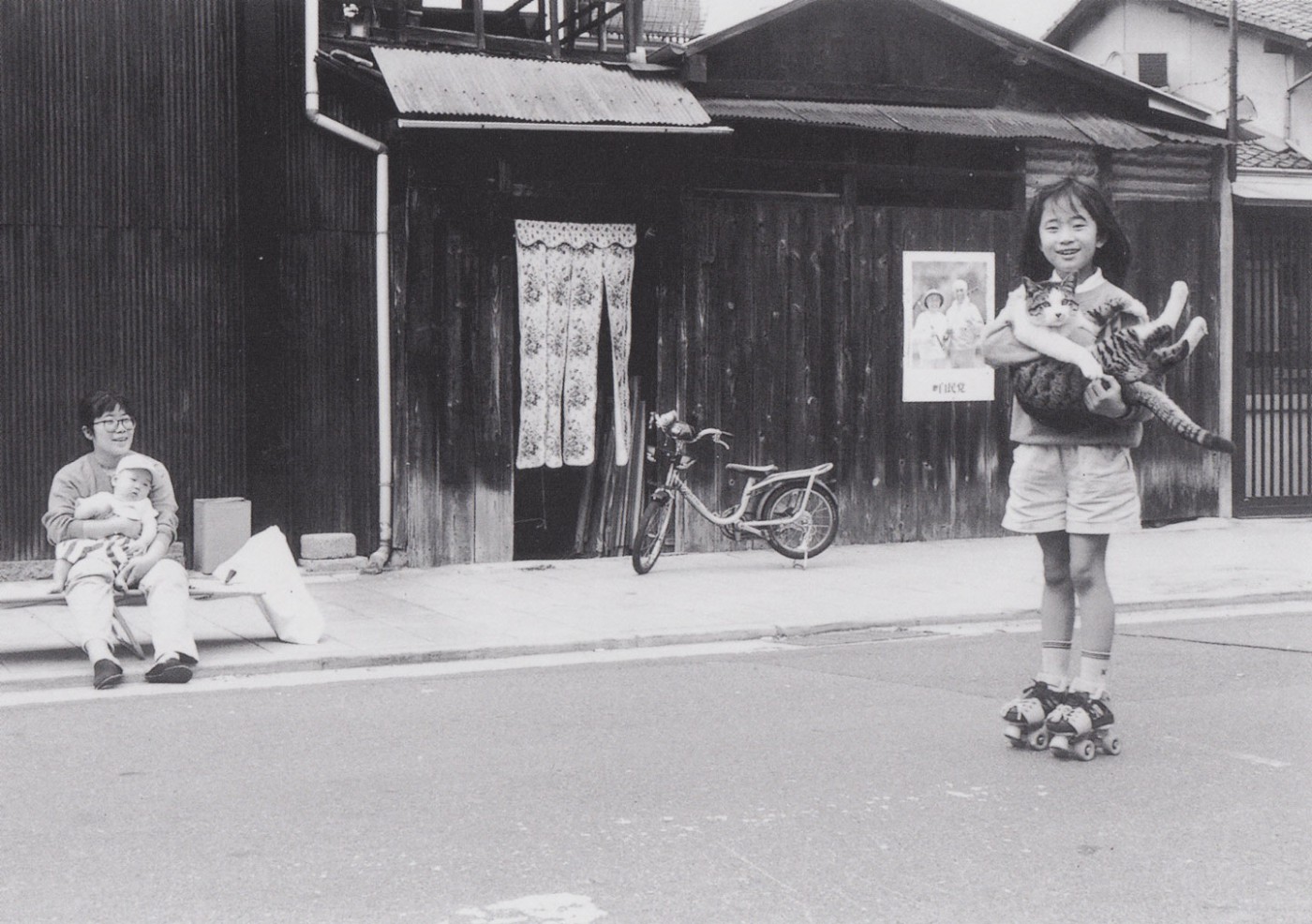
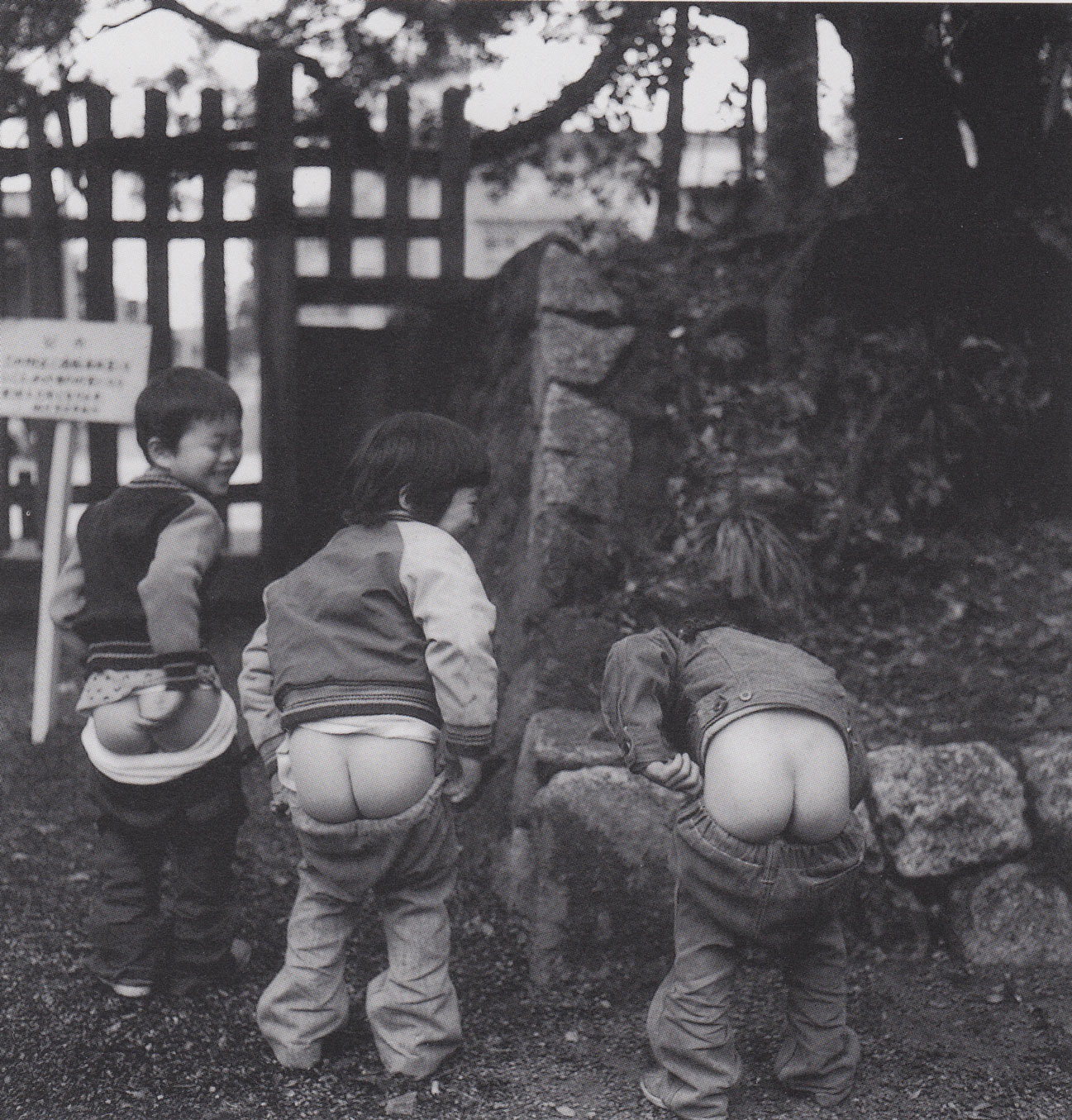
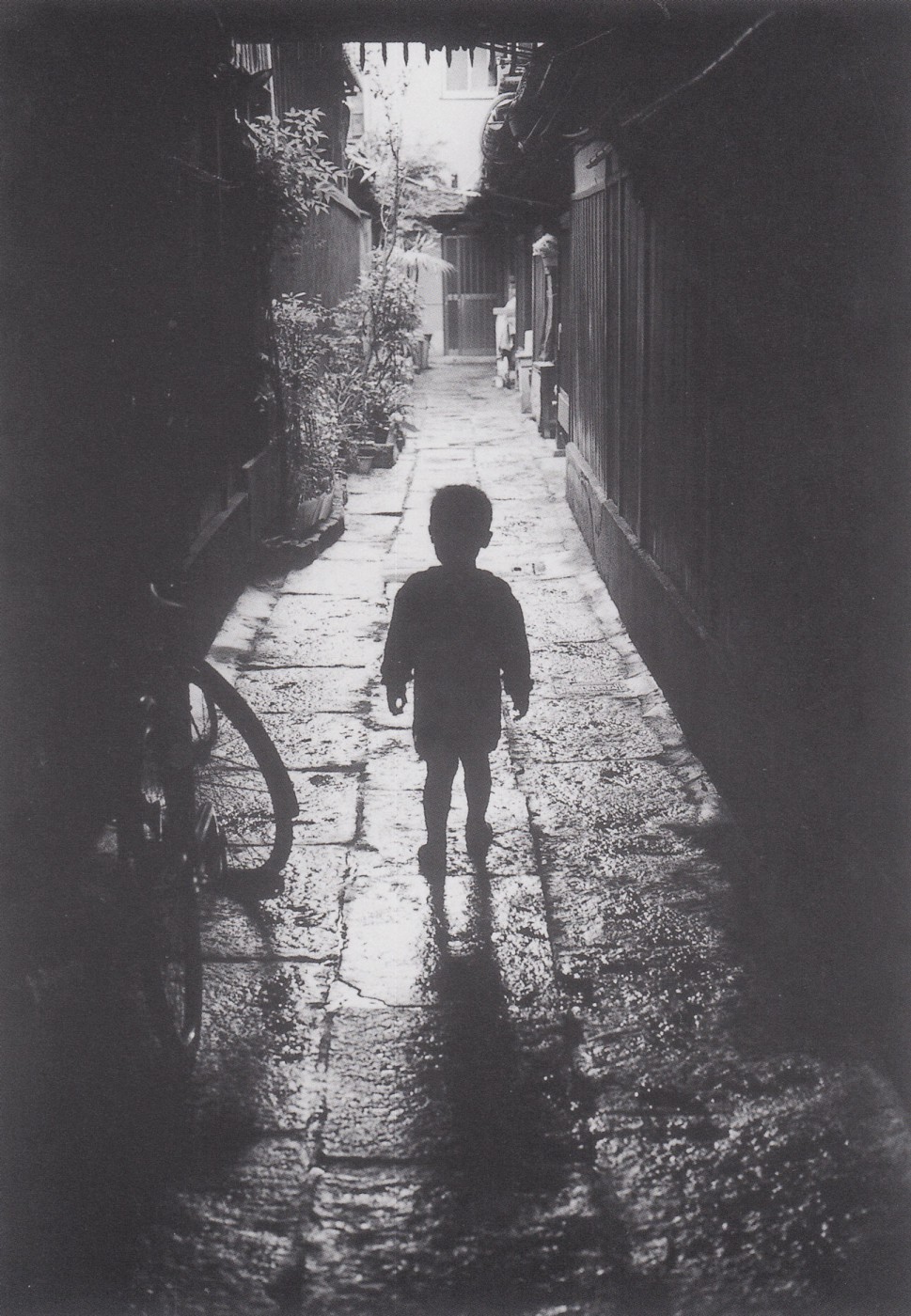
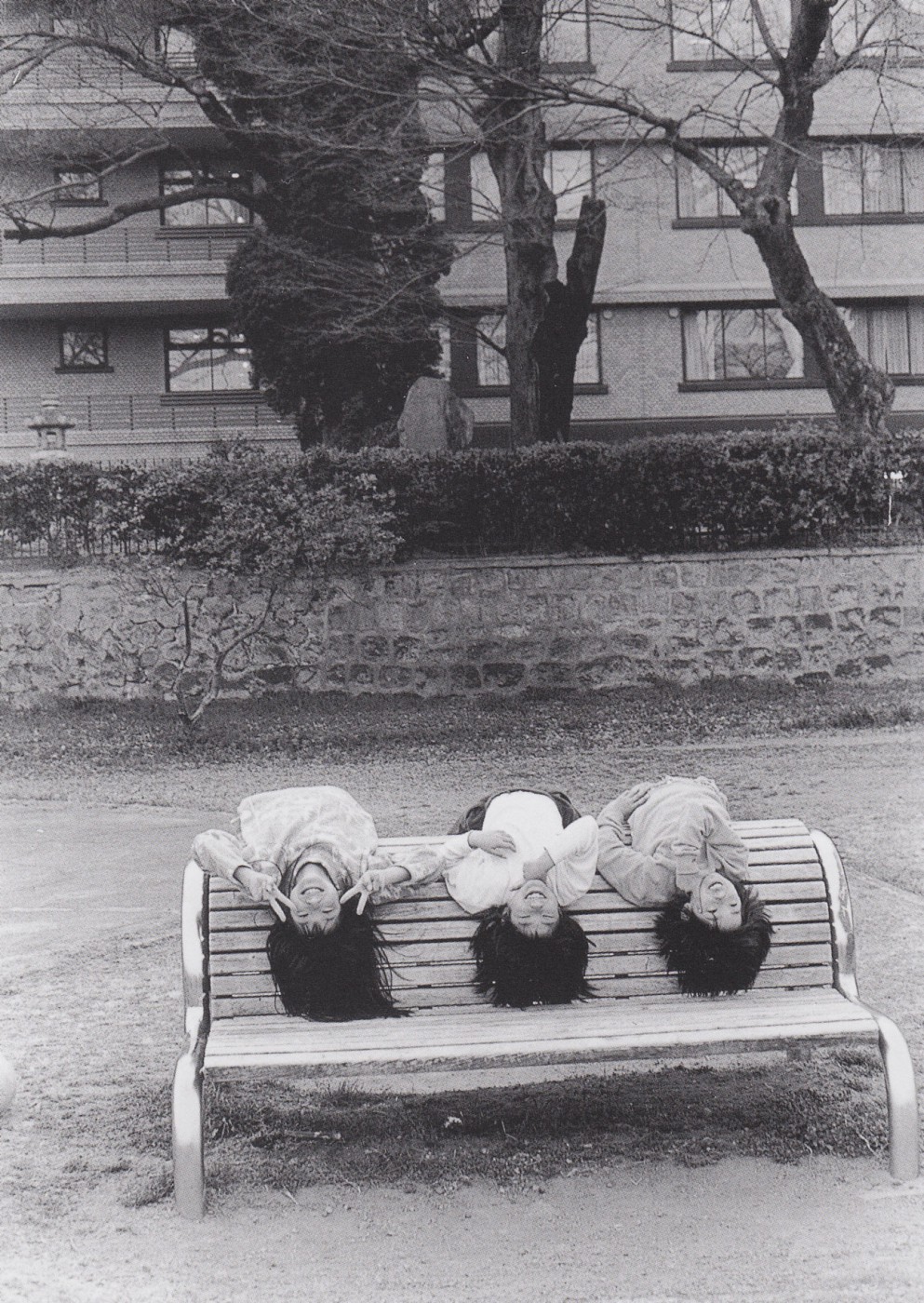
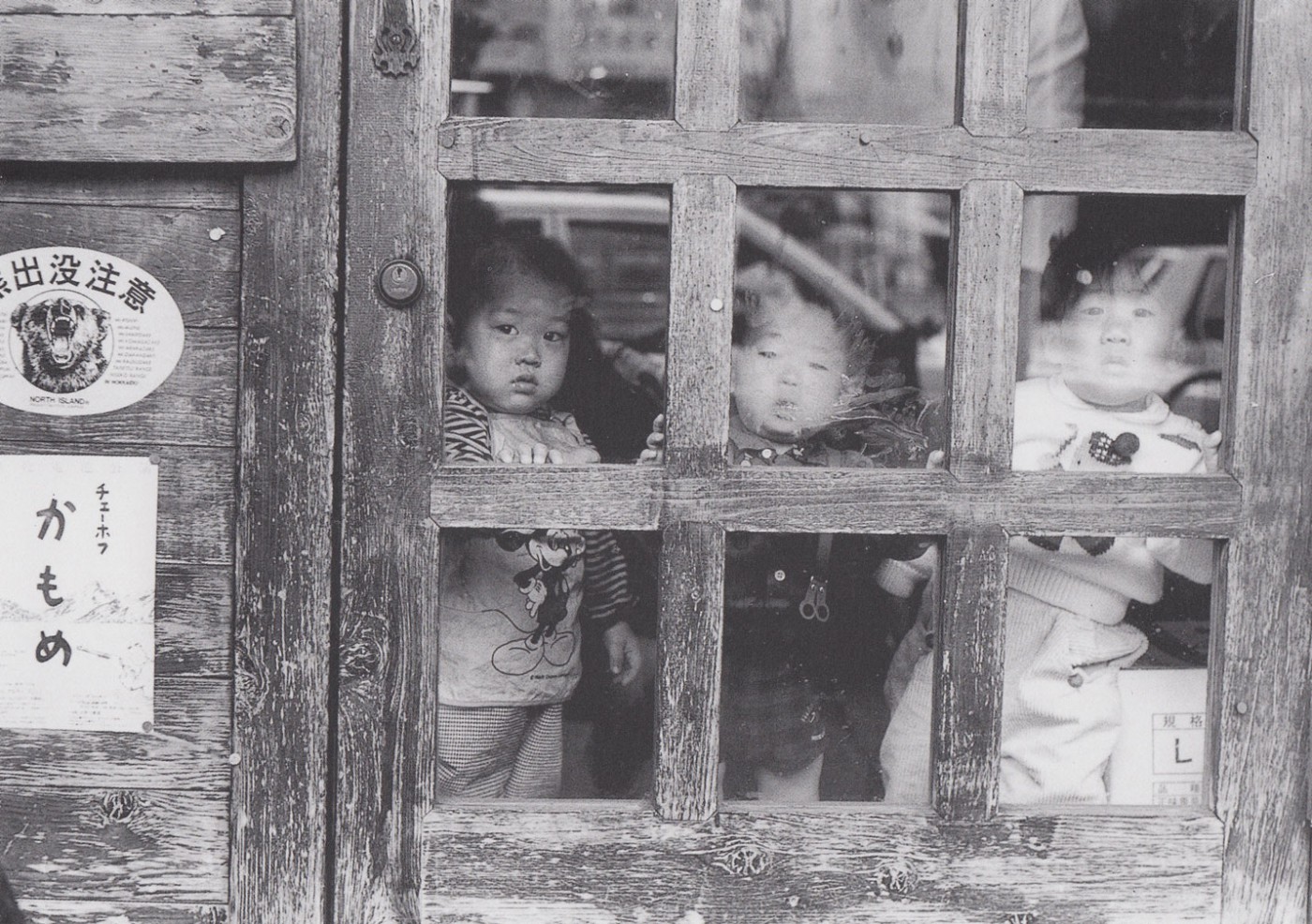
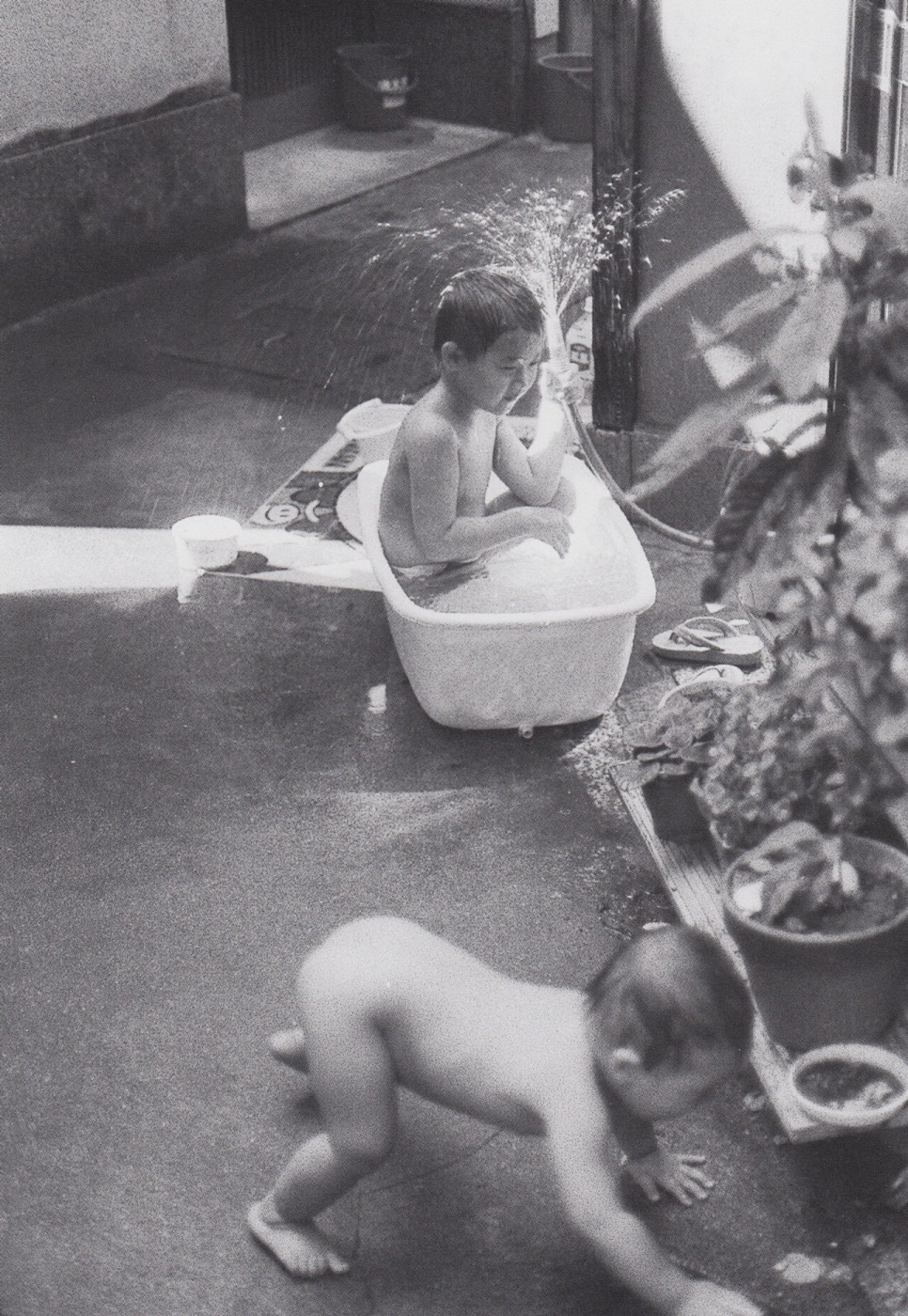
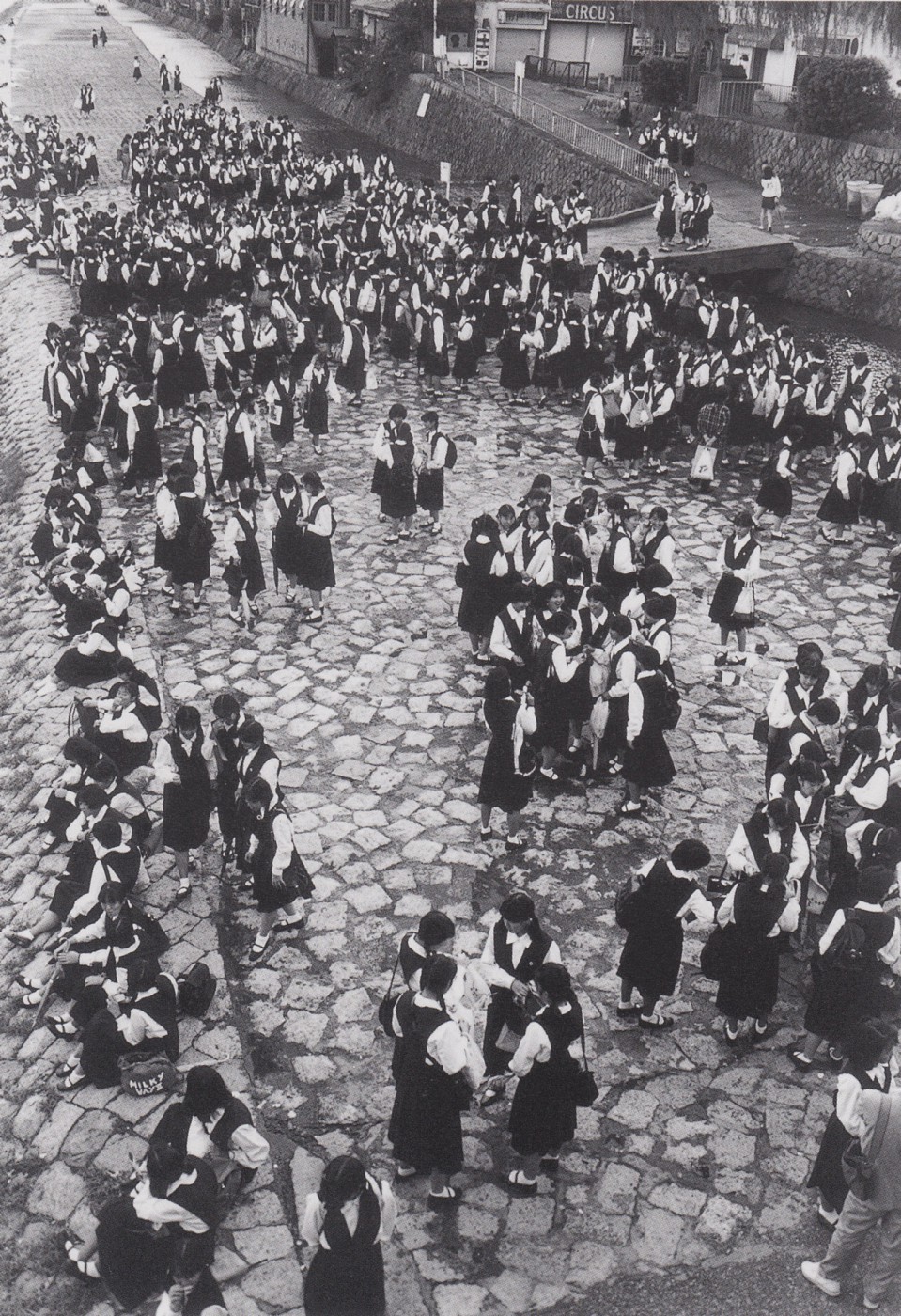
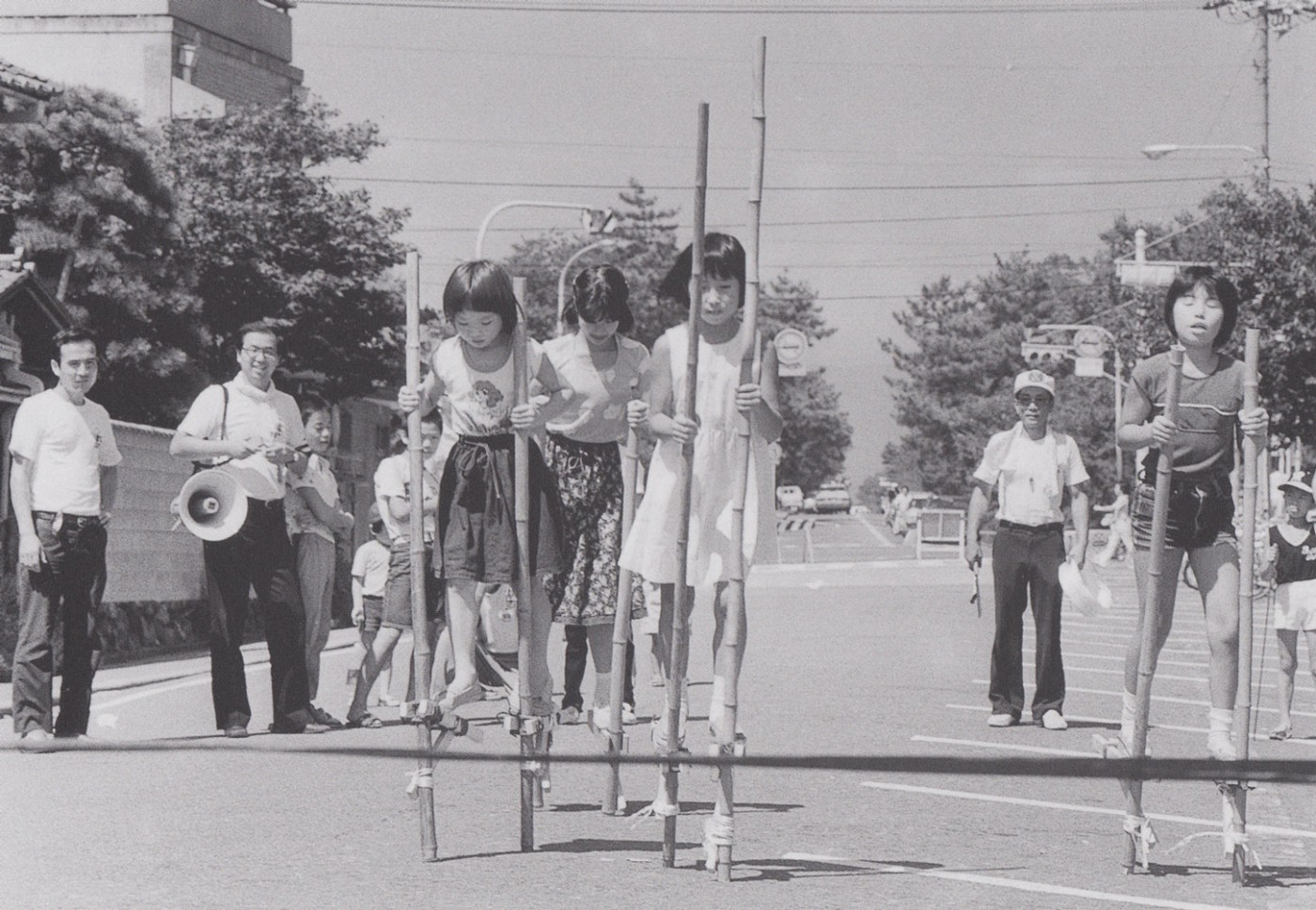
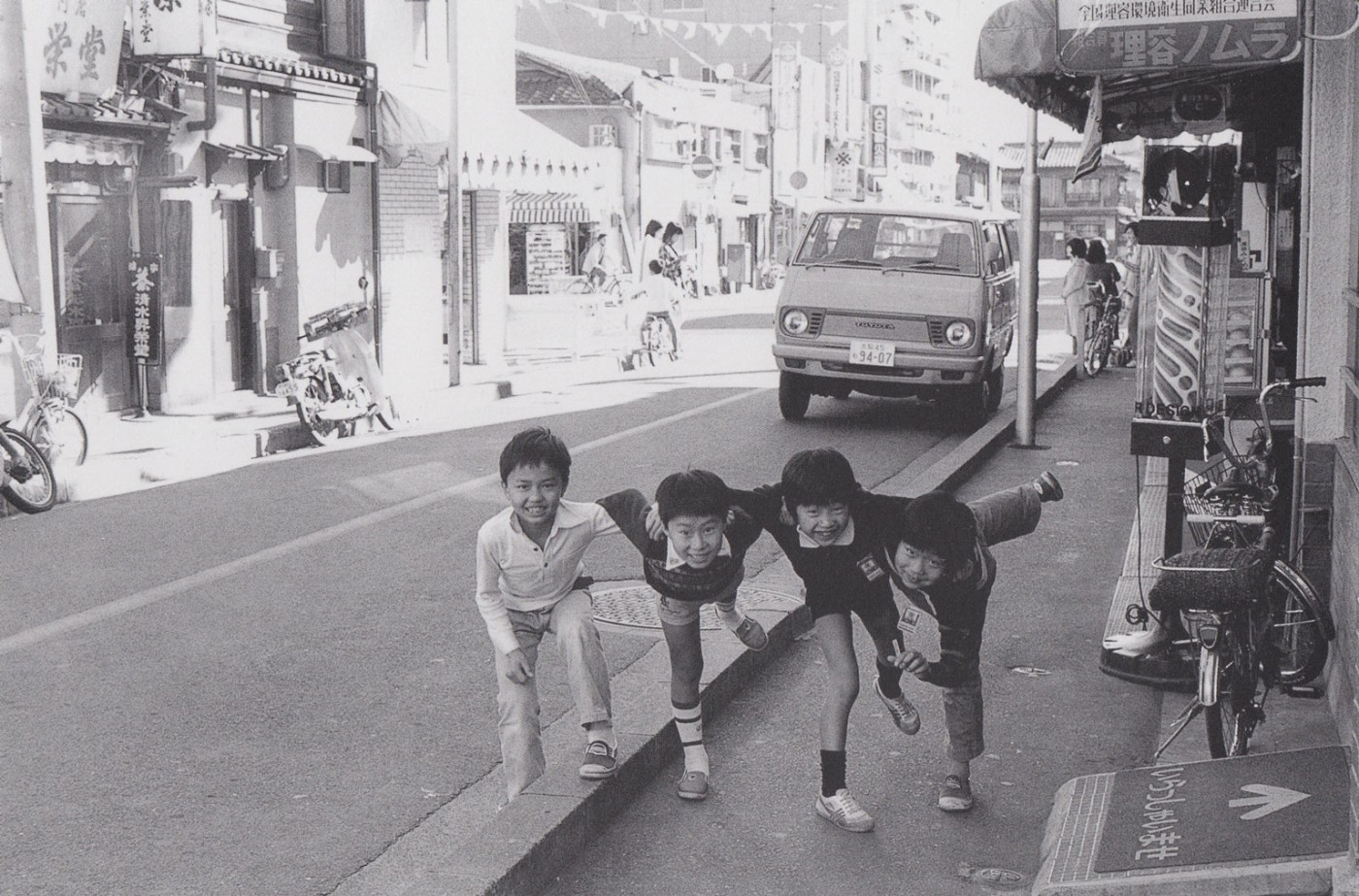
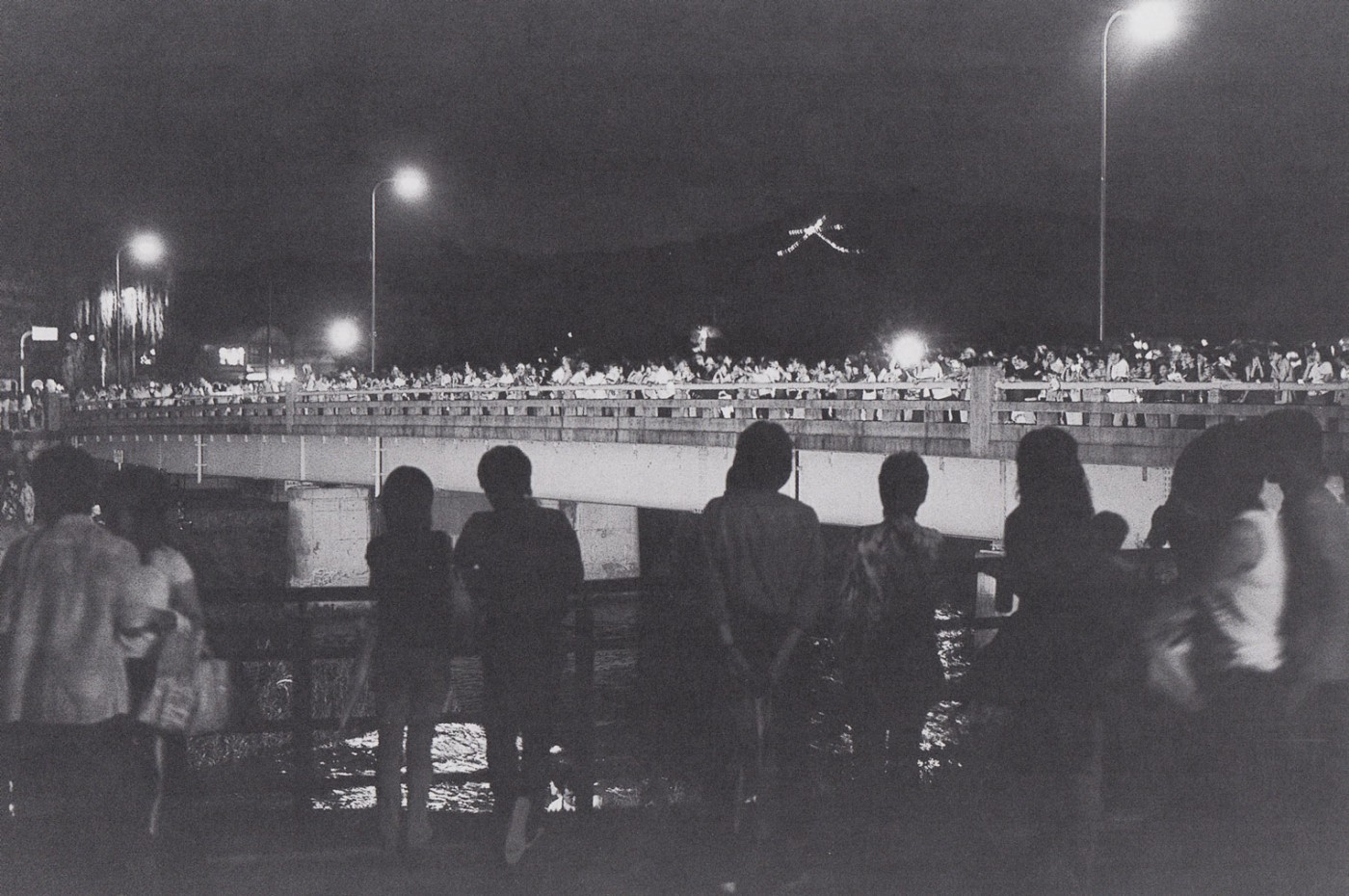
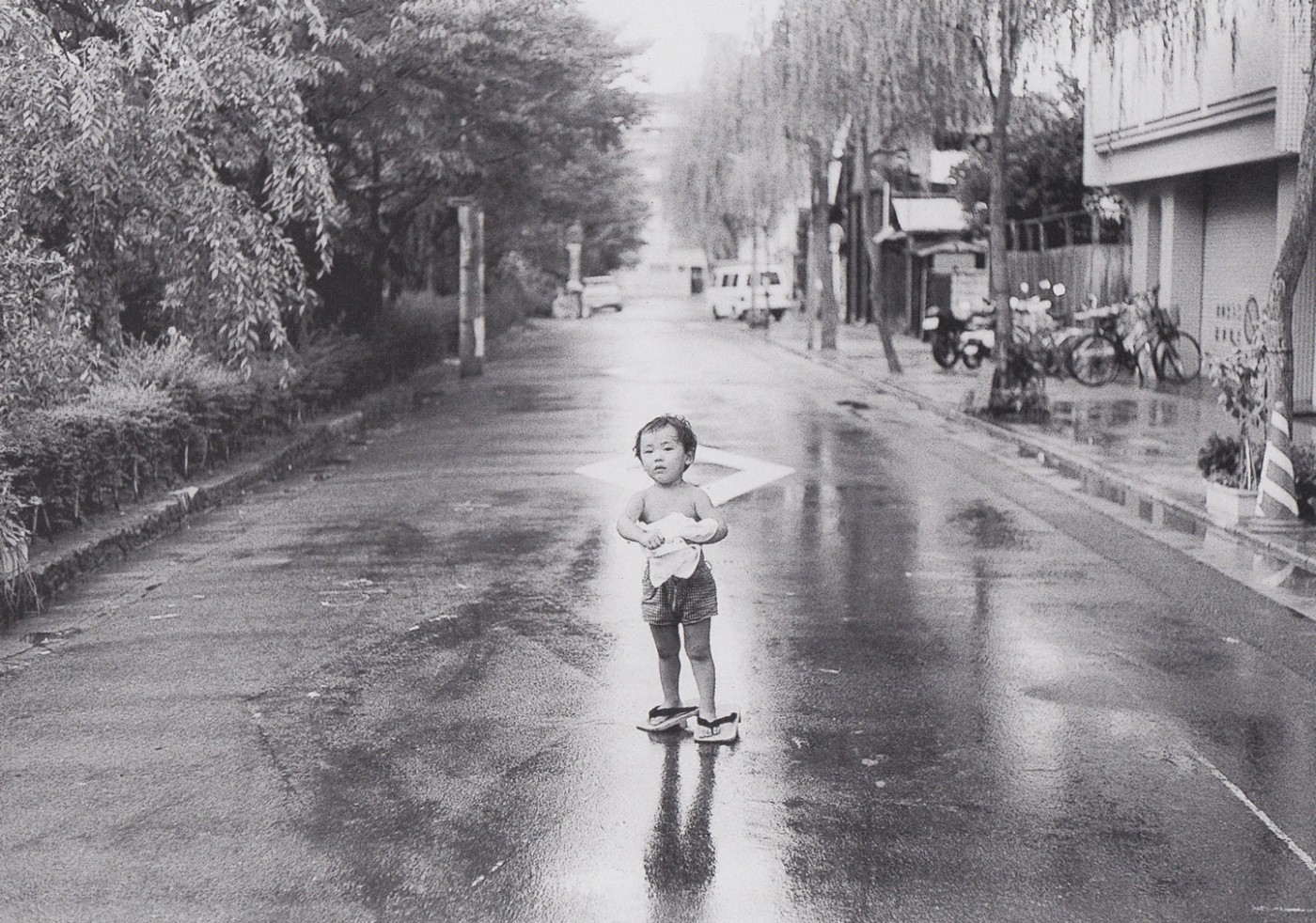
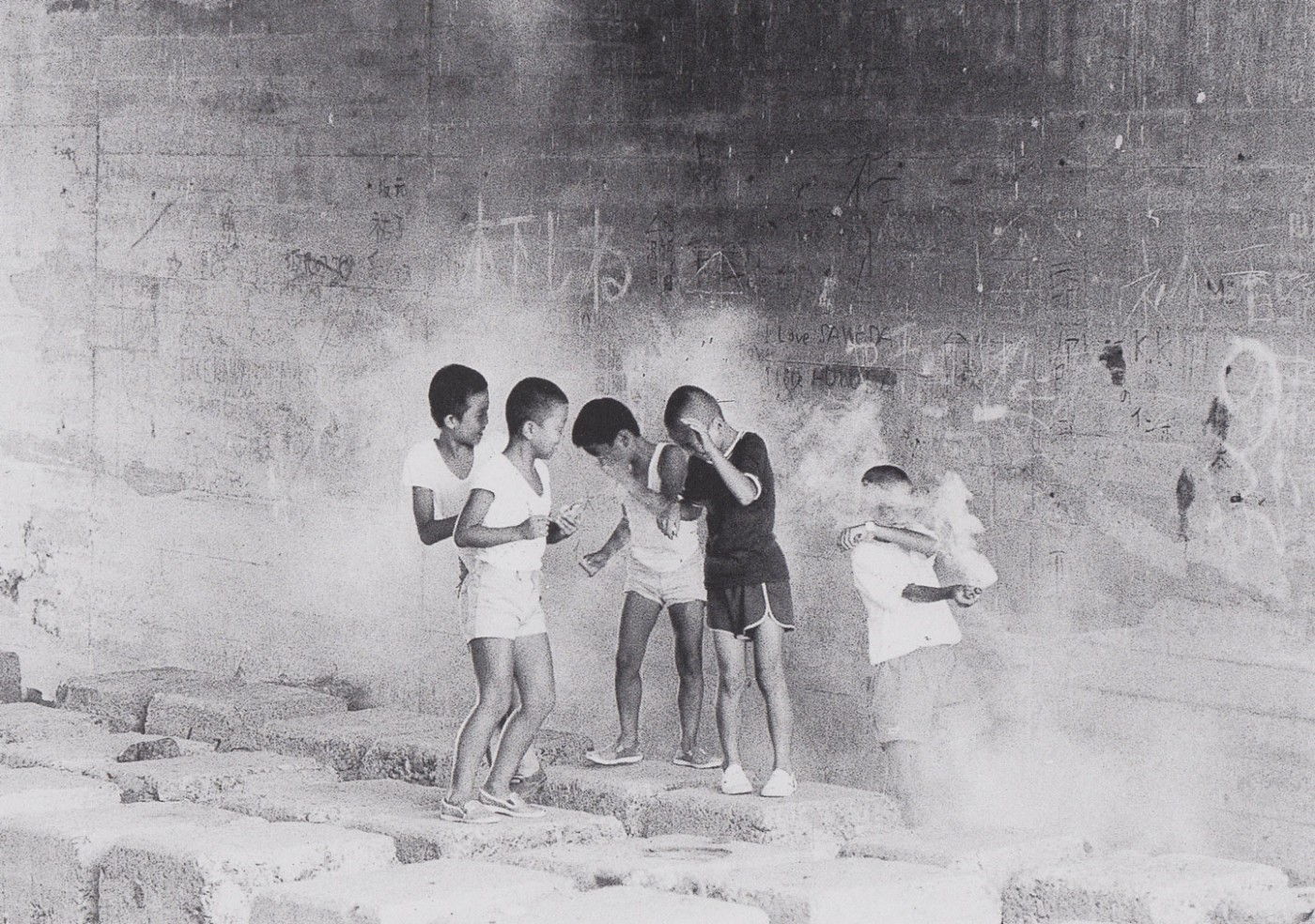
By then, the anti-war movement of the 1960s was waning, and public opinion had turned against us, along with a growing tendency for dissident groups to be labeled ‘extremist’. That was when I started to pick up photography again. From 1974, I extensively documented the Demachi area, photographing children playing on the riverbank, cats lounging across cobbled streets, and, of course, customers who visited our cafe.
I loved documenting Kyoto, but I was criticised for wasting my time. In 1977, I decided to commit myself to the cafe and announced a departure from photography. To commemorate the shift, I published my first photobook, Kyoto Demachi, and held a series of outdoor exhibitions where I pasted prints directly onto the city’s stone walls. If people could find themselves in the images, they were free to take them home. I must have exhibited around 15,000 photographs in total. Shortly afterward, my work was picked up by Kyoto’s largest daily newspaper. I didn’t end up taking a break after all, and since then, I’ve published over 40 photobooks.
In 1985, I opened a new bar called Hachimonjiya, where I still serve drinks every day. I continued to manage Honyarado alongside it, eventually transforming the second floor into a library for my archive. Then, 43 years after its opening, the fire destroyed it all.
It is only when I look back now, five years later, that I realise how depressed I was. Four months after the fire, I fell off my bike and cut my leg. I wasn’t sleeping much, I was drinking every day, and the wound eventually developed a bacterial infection. The doctors said I was facing amputation, or in the worst case, death. I couldn’t believe I survived considering how much I’d been drinking. The photographs I have left represent just a portion of my work, but they remind me of a happy time.”
A Bunch Of Amateurs
A bunch of amateur film-makers, with nothing left to lose, tackle one of Hollywood's greatest musicals in order to save their beloved Bradford Film Club.
The Painter And The Thief
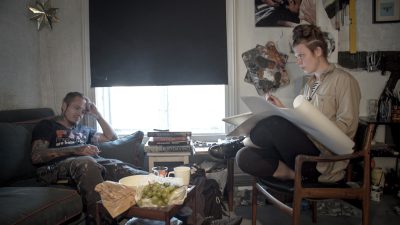
Desperate for answers about the theft of her 2 paintings, a Czech artist seeks out and befriends the career criminal who stole them. After inviting her thief to sit for a portrait, the two form an improbable relationship and an inextricable bond that will forever link these lonely souls.

Shinjuku Boys
Shinjuku Boys introduces three onnabes who work as hosts at the New Marilyn Club in Tokyo. Onnabes are women who live as men and have girlfriends, although they don't usually identify as lesbians.
Softie
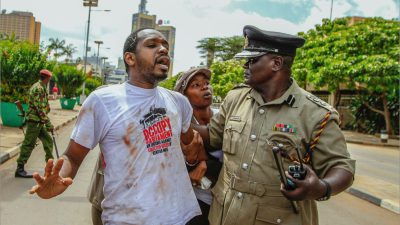
Boniface Mwangi is daring and audacious, and recognised as Kenya's most provocative photojournalist. But as a father of three young children, these qualities create tremendous turmoil between him and his wife Njeri. When he wants to run for political office, he is forced to choose: country or family?
Jawline
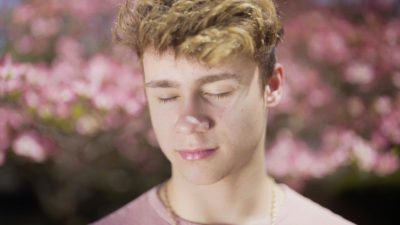
Jawline follows 16-year-old Austyn Tester, a rising star in the live-broadcast ecosystem who built his following on wide-eyed optimism and teen girl lust, as he tries to escape a dead-end life in rural Tennessee.
Midnight Family
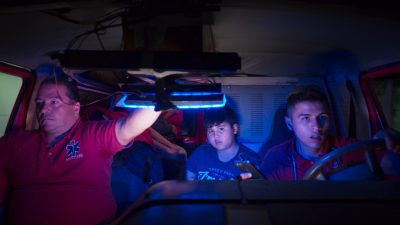
In Mexico City’s wealthiest neighborhoods, the Ochoa family runs a private ambulance, competing with other for-profit EMTs for patients in need of urgent help. As they try to make a living in this cutthroat industry, the Ochoas struggle to keep their financial needs from compromising the people in their care.
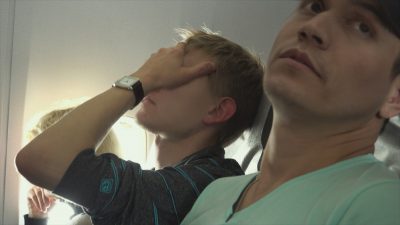
Welcome To Chechnya
The searing documentary Welcome To Chechnya chronicles the current anti-LGBTQ campaign raging in the Russian republic of Chechnya and shadows the LGBTQ activists who risk unimaginable peril to rescue victims from a targeted campaign of torture and brutality.
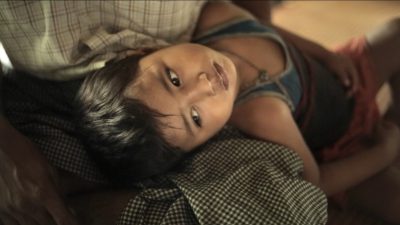
Midwives
Hla and Nyo Nyo live in a country torn by conflict. Hla is a Buddhist and the owner of a makeshift medical clinic in western Myanmar, where the Rohingya (a Muslim minority community) are persecuted and denied basic rights. Nyo Nyo is a Muslim and an apprentice midwife who acts as an assistant and translator at the clinic. Her family has lived in the area for generations, yet they are still considered intruders. Encouraged and challenged by Hla, who risks her own safety daily by helping Muslim patients, Nyo Nyo is determined to become a steady health care provider for her community. Snow Hnin Ei Hlaing’s remarkable feature debut was filmed over five turbulent years in a country that has long been exoticized and misunderstood. The filmmaker’s gentle, impartial gaze grants unique access to these courageous women who unite to bring forth life. Filled with love, empathy, and hope, Midwives offers a rare insight into the complex reality of Myanmar and its people.
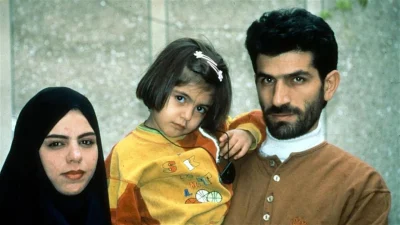
Divorce Iranian Style
Divorce Iranian Style is a documentary film directed by Kim Longinotto and Ziba Mir-Hosseini. It is set in a small courtroom in central Tehran, and follows a number of women who come before a non-plussed judge and in turn use whatever they can - reason, argument, charm, outrage, pleas for sympathy, patience, and wit - to get what they each need. There are four main characters: Massy, who wants to divorce her inadequate husband; Ziba, an outspoken 16-year-old who proudly stands up to her 38-year-old husband and his family; Jamileh, who brings her husband to court to teach him a lesson; and Maryam, remarried and desperate to regain custody of her two daughters.
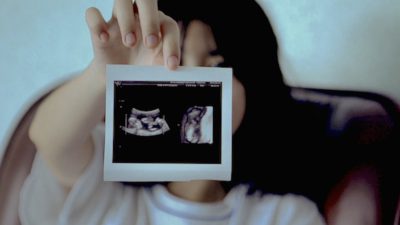
Forget Me Not
An emotional and raw documentary about three young South Korean women who has to make a choice of weather to keep their child or give it up for adoption, while they are staying at a shelter for unwed mothers. The film offers a unique look into South Korean society and into the conditions for vulnerable women and their children - all seen through the eyes of the director who herself was adopted from South Korea.
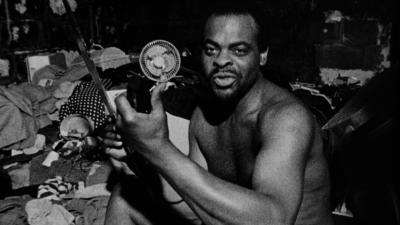
Dark Days
For years, a homeless community took root in a train tunnel beneath New York City, braving dangerous conditions and perpetual night. Dark Days explores this surprisingly domestic subterranean world, unearthing a way of life unimaginable to those above. Through stories simultaneously heartbreaking, hilarious, intimate, and off the cuff, tunnel dwellers reveal their reasons for taking refuge and their struggle to survive underground. Filmed in striking black and white with a crew comprised of the tunnel’s inhabitants and scored by legendary turntablist DJ Shadow, Dark Days is a soulful and enduring document of life on the fringe.
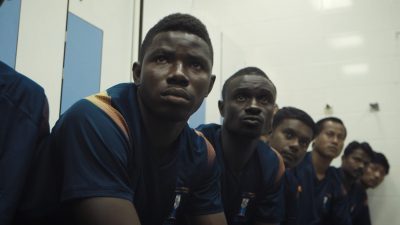
The Workers Cup
Inside the labor camps of Qatar, African and Asian migrant workers building the facilities of the 2022 World Cup compete in a football tournament of their own.
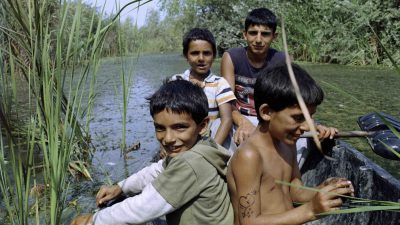
Acasa - My Home
In the wilderness of the Bucharest Delta, an abandoned water reservoir just outside the bustling metropolis, the Enache family lived in perfect harmony with nature for two decades, sleeping in a hut on the lakeshore, catching fish barehanded, and following the rhythm of the seasons. When this area is transformed into a public national park, they are forced to leave behind their unconventional life and move to the city, where fishing rods are replaced by smartphones and idle afternoons are now spent in classrooms.
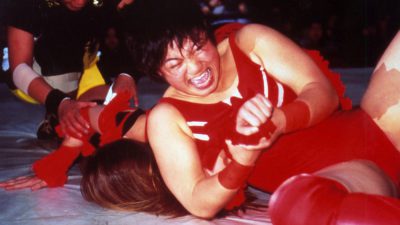
Gaea Girls
This fascinating film follows the physically grueling and mentally exhausting training regimen of several young wanna-be GAEA GIRLS, a group of Japanese women wrestlers.
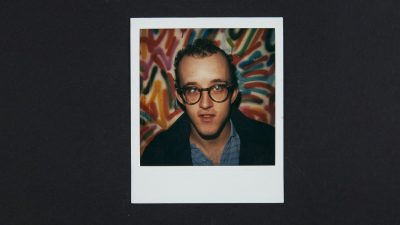
Keith Haring: Street Art Boy
International art sensation, Keith Haring, blazed a trail through the legendary art scene of 1980s New York and revolutionised the worlds of pop culture and fine art. This fascinating and compelling film - told using previously unheard interviews that form the narrative of the documentary - is the definitive story of the artist in his own words.
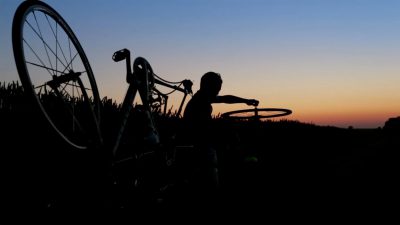
London Edinburgh London
London Edinburgh London follows a group of cyclists from around the world on a remarkable feat of endurance. Travelling over 1400km, our unlikely and eccentric heroes are not only tested physically, but face the mental challenge, "can I push myself further, can I go one more day?". This is a documentary about what happens when you push the limits of cycling.
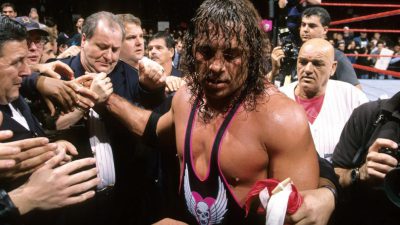
Hitman Hart: Wrestling with Shadows
It’s 1997, and the World Wrestling Federation is facing fierce competition from Ted Turner’s World Championship Wrestling. When the legendary Bret “The Hitman” Hart is offered a lucrative opportunity to jump ship to the WCW, WWF mastermind Vince McMahon appeals to his sense of loyalty and lures him back with a 20-year contract. But when McMahon abruptly reneges on the deal, Hart reconnects with the competition, paving the way for one of the most notorious events in the history of professional wrestling: the Montreal Screwjob. Widely hailed as the greatest wrestling documentary of all time, Hitman Hart: Wrestling with Shadows is an engrossing look at the life and career of Bret Hart and the Hart dynasty. Granted unprecedented access to the secret world of wrestling, director Paul Jay presents a real-world narrative far more dramatic than any story created for the ring.

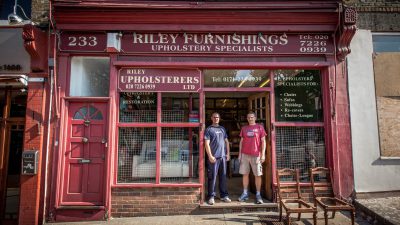
Art of Repair
Comedian Stewart Lee narrates a unique and touching insight into life in London’s East End.
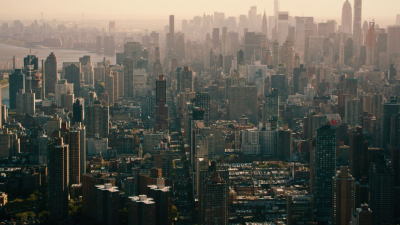
I ♥ NY
The I love NY logo is so ubiquitous in New York today that it feels hard to imagine it actually being designed. Surely it has always been there, offering New Yorkers and tourists the chance to proclaim their love for the city?
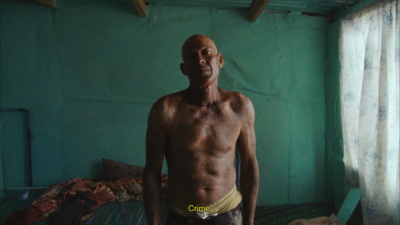
The Flats
A stunning documentary short by New York City-based director Jake Oleson. Shot in the Cape Flats of Cape Town, South Africa over the course of three days, “The Flats” explores what life is like for the residents that live there.
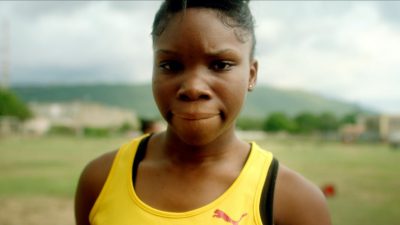
The Sprinter Factory
Meet the girls running as fast as they can to be Jamaica’s new champions in a country that’s obsessed with its sprinters.
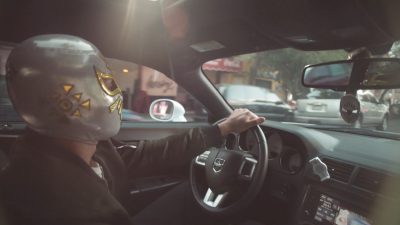
Mistico
Attracted to the alluring spectacle of the game, Italian-born filmmaker Carlotta Manaigo set out to get beneath the mask of one particular, and much loved, Luchador: Mistico.
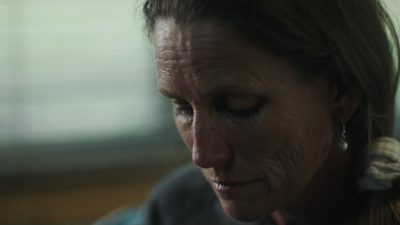
The Reasons
A documentary short about low income citizens in rural Florida who struggle with smoking related loss and addiction. Christy, Eric and Geremy have smoked since their early teens and lost loved ones yet they continue to spend up to 25% of their income on cigarettes. Each have their reasons to quit...but can't.
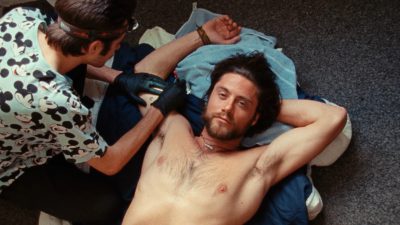
Snowciety
In this film, enviable images of fur coats and bottles of Dom Pérignon are juxtaposed against snapshots of burnt hash and broken boards. Lüdi comments, “By having acquaintances from both the luxurious and rebellious sides of St Moritz, I was able to create a film that visually translates the dichotomy between the two worlds.”
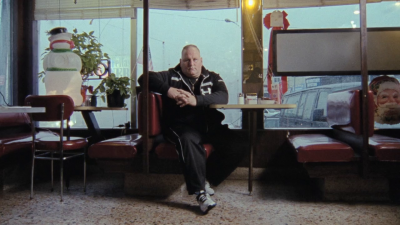
NYC, 1981
NYC, 1981 is an original short documentary featuring stories from one of the most dangerous years on record for New York City.
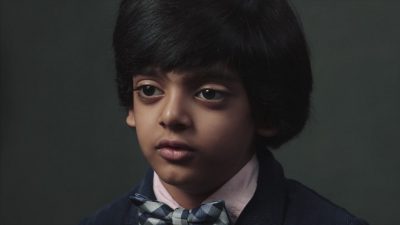
The Magic of Chess
In the short documentary The Magic of Chess, a cadre of pint-size chess champions reveals how the practice has enriched their lives.
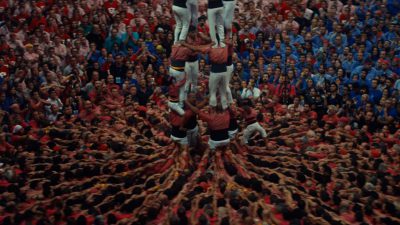
Castells
There are currently between 60 and 70 castell teams (colles) in Catalonia, some of which appear at large, bi-annual competitions in Tarragona, Spain.
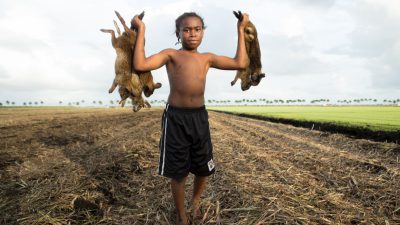
Rabbit Hunt
In parts of the Florida Everglades, there’s a tradition that dates back to the early 20th century in which young men – and now young women – use nothing but sticks and quick reflexes to hunt rabbits at the margins of sugar plantations.
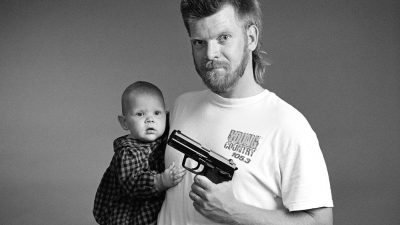
Zed Nelson - Gun Nation
Gun Nation is a moving and provocative collection of portraits of gun owners and gun culture created in the immediate aftermath of the Columbine massacre.
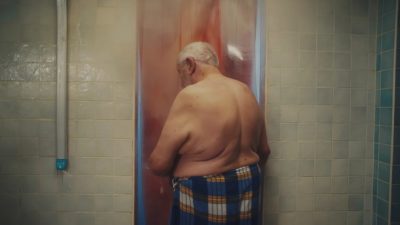
We The Bathers
We the Bathers is a visually beautiful and emotive short documentary featuring fourteen people across the globe. Each story and person is unique, but they share one common connection. Water.

Fangirl
Los Angeles-based director and photographer Liza Mandelup takes a look at the new era of social media fuelled fangirls. Mandelup captures human nature in a world growing increasingly dependent on technology to feel connected. Adolescence is hard, but “fangirls” have found solace and companionship in the people they follow on a daily basis.
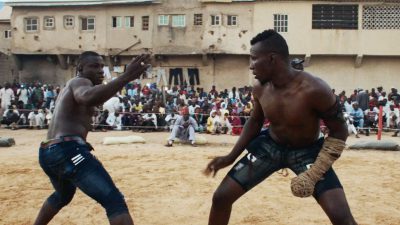
Dambe - Elephant Food Is For The Strongest Teeth
Elephant Food is For the Strongest Teeth is a passion project born out of two friends shared love of film, music and boxing.

Tungrus - The Pet Chicken From Hell
In a cramped suburban apartment in Mumbai, an eccentric patriarch and his family consider killing and eating their hell-raising pet rooster, so that they can reclaim their normal lives.
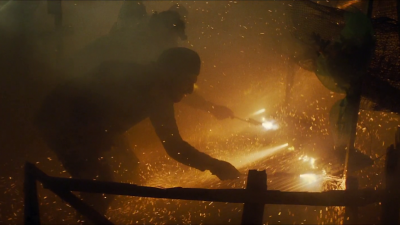
Rocket Wars
The custom of the Rocket Wars, whose roots go back centuries, uses shots of homemade fireworks (rockets) between the two largest parishes of the area, Agios Markos and Panagia Erythiani. In recent years, the number of rockets produced has reached several thousand, and the spectacle they present in the spring sky on the night of the Resurrection is truly spectacular.
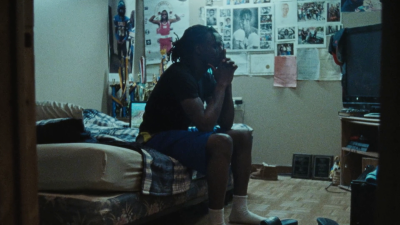
Ivry
“IVRY” is a profile documentary about Ivry Hall, a young man from the South Side of Chicago who boxes, and teaches boxing to the younger kids in the neighbourhood.
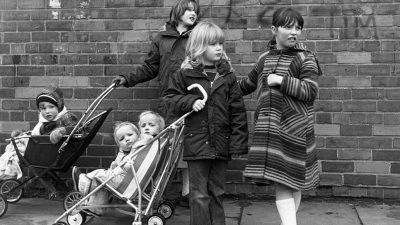
Alec Gill - Hessle Road
Alec Gill, 75, has been taking pictures of England's Hessle Road area in Hull since he first trained his camera lens on the city's St. Andrews fish dock in 1971. He describes himself as "tourist in his own town" and an "unwitting" chronicler of the local fishing industry's decline, which he has recorded in 6,630 images of the area and its people over the decades. The photographer, who was born in Hull's Old Town, had several spells of work in the shipping and forwarding industry in the 1960s but did not like office life and often took to travelling and taking photographs.

Yoshiichi Hara - Stripper Zukan
Since 1975 Yoshiichi Hara has made more than fifteen hundred photographs of strip-tease artists – and Stripper Zukan is regarded as the starting point of this lifelong project.
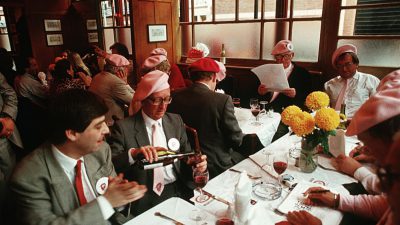
Barry Lewis - Soho
By 1990 gentrification and rent rises had begun to destroy much of the exotic ambience, slowed down by the arrival of the gay community and the transformative power of the vibrant “pink pound”.
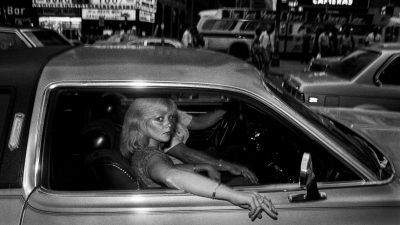
Bruce Gilden - Facing New York
The cast of characters in Bruce Gilden’s theatre of the street is outrageous. Sometimes tawdry and out of this world, they are mostly mysterious. To Gilden and his fellow New Yorkers, they’re just neighbours. In broad and simple terms, and with great expressive authority, Gilden has captured the uniquely individualistic, self-styled New York personality on the run. In Gilden’s world, no-one is on the margins of centre stage, they are all star players.
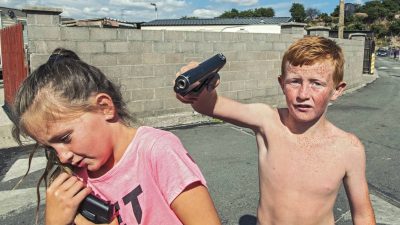
Joseph-Philippe Bevillard - Irish Travellers
Mincéirs are a traditionally nomadic ethnic minority indigenous to Ireland, referred to by the Irish Government and the settled population as Irish Travellers.
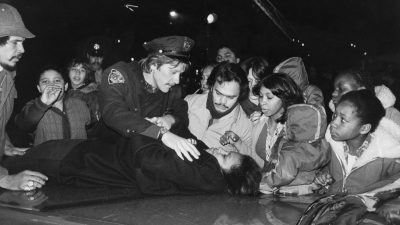
Jill Freedman - Street Cops
One of the most important practitioners of her time, Freedman was a diligent street and documentary photographer who spent her life capturing the complexities of the day, with rare veracity and grace.
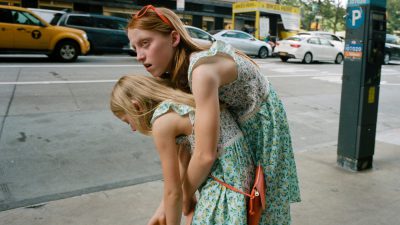
Daniel Arnold
The Brooklyn-based photographer spends eight to 12 hours a day snapping photos of people and speed-walking away before they can harass him. Much of his time is spent piercing New Yorkers' illusion of privacy, but he takes pictures wherever he goes.
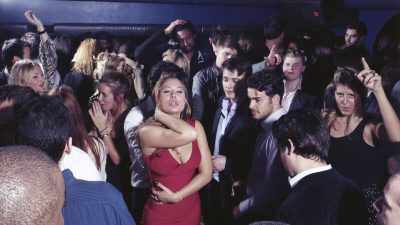
Mark Neville
British artist Mark Neville works at the intersection of art, activism, and documentary, investigating the social function of photography.
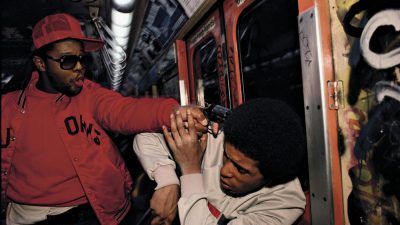
Bruce Davidson - Subway
Bruce Davidson's classic book Subway is an extraordinarily visceral record of the city in the 1980s.

Paul Reas - I Can Help
I Can Help, a title taken from badges worn by supermarket staff, is a series of thirty large colour photographs about Britain's post-industrial consumer boom.
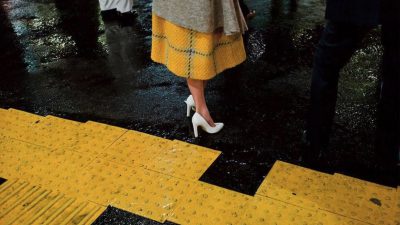
Shin Noguchi
Shin Noguchi, born 1976 in Shinjuku, Tokyo, Japan, is an award winning street photographer based in Kamakura and Tokyo, Japan.
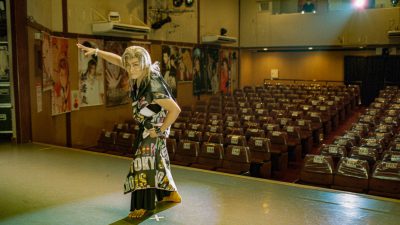
Taishu Engeki
Stepping into a taishū engeki show is like being welcomed into a wild and flamboyant secret society.
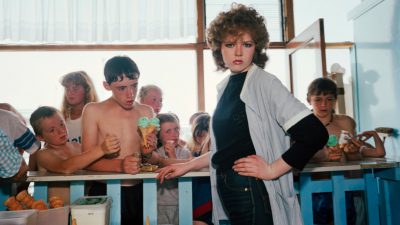
Martin Parr - The Last Resort
Parr’s most enduring photographs of the British coast were taken between 1983 and 1985, when he visited the Liverpool beach resort of New Brighton.
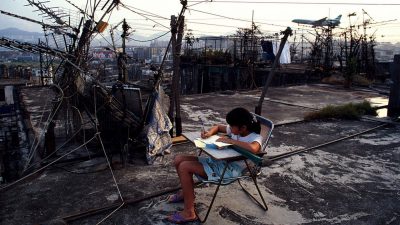
Greg Girard - Heart of Darkness - Kowloon's Walled City
Until 1993, there stood a structure in Hong Kong like no other. On a small plot of land in Kowloon, a mass of buildings stretched skywards, interconnecting like a jungle canopy to form a single dense block. Reaching 14 storeys, its facade glowed with the fluorescent lights of hundreds of tiny apartments and shops. Packed inside were schools, workplaces, medical clinics, and factories; places of worship, relaxation, and hedonism – and more than 35,000 inhabitants living on top of one another.
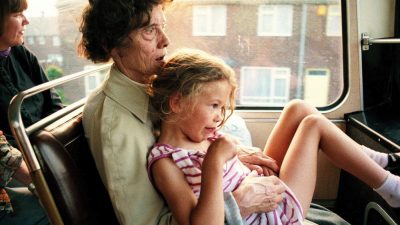
Tom Wood - Bus Odyssey
Bus Odyssey is a body of work built up during Wood’s near 20 year project photographing from local buses in Liverpool.